Most doctors only test serum iron levels, while they should always check serum ferritin levels, as this is a more accurate way to gauge iron that is stored in the liver. Elevated serum ferritin can cause oxidative stress, which leads to "fatty liver", fibrosis, elevated liver enzymes and worsening liver health.
Iron’s Role in Hepatitis C Infection
Hepatitis C inflicts most of its damage by latching onto molecules of iron, resulting in free-radical damage to liver cells. In turn, the liver becomes inflamed, which can lead to the formation of scar tissue (fibrosis). If left unchecked, this steady damage will result in cirrhosis or liver cancer.
About 30 percent of people with hepatitis C have very high iron levels. Reduction of serum iron has been shown to normalize liver enzyme levels, which are elevated during periods of active liver damage (Fong TL et al 1998). Iron depletion therapy has also been shown to improve the response to conventional medicines used to treat hepatitis (Fargion S et al 1997). The only effective way to decrease serum iron is to have an iron loss, as occurs when donating blood. Hepatitis C patients cannot donate blood for common use, but their blood can still be removed, although it must be discarded.
Serum ferritin is a measure of the amount of stored iron and is used to guide therapy. A serum ferritin value between 30 and 80 ng/dL is optimal. Many hepatitis C patients have serum ferritin values in excess of 300 ng/dL.
Despite substantial scientific evidence, however, few physicians implement iron-depletion therapy before beginning antiviral therapy. This partially accounts for the high failure rate of conventional drugs in eradicating the virus (Boucher E et al 1997; Martin-Vivaldi R et al 1997; Tsai NC et al 1997.
Hepatitis C Symptoms and Ferritin Levels Video
Other than phlebotomy that can help remove excess iron, I have found the IP-6(Inositol Hexaphosphate) helps lower ferritin levels and keep them down. My serum ferritin was at 176 and after using IP-6, it gradually came down. I switched over to the Jarrow brand of IP-6, which comes in capsules. I had been using a tablet form (Enzymatic Therapy) which was pretty expensive. The capsule form is much cheaper and apparently for me, works much better. My ferritin dropped from 80 to 38 from early September to late December and my lft's normalized.
IP6 Inositol Hexaphosphate
If you use this code: KOV896 you will receive $5.00 off your first order - and I eventually get a discount off of my own order.
Tuesday, April 6, 2010


Friday, February 19, 2010
Low Dose Naltrexone (LDN) and the Liver
note - this post title really should be "Naltrexone and the Liver" as the studies below all are based on full strength naltrexone and not LDN.
Low Dose Naltrexone, or LDN, is an FDA approved medication.
"Naltrexone itself was approved by the FDA in 1984 in a 50mg dose for the purpose of helping heroin or opium addicts, by blocking the effect of such drugs. By blocking opioid receptors, naltrexone also blocks the reception of the opioid hormones that our brain and adrenal glands produce: beta-endorphin and metenkephalin."
Although naltrexone itself is an FDA-approved drug, the varied uses of LDN still await application to the FDA after related scientific clinical trials. LDN (in the 3mg or 4.5mg dosage) has not yet been submitted for approval because the prospective clinical trials that are required for FDA approval need to be funded at the cost of many millions of dollars.
Naltrexone is a prescription drug, so your physician would have to give you a prescription after deciding that LDN appears appropriate for you.
http://www.lowdosenaltrexone.org/
Many doctors will not prescribe LDN, as they are not aware that it is FDA approved and that various clinical trials for various disorders have been done or are in progress. The other reason is because of the "Black Box Warning" for full strength Naltrexone due to adverse liver effects on obese patients using 300mg.
Full-dose naltrexone (50mg) carries a cautionary warning against its use in those with liver disease. This warning was placed because of adverse liver effects that were found in experiments involving 300mg daily. The 50mg dose does not apparently produce impairment of liver function nor, of course, do the much smaller 3mg and 4.5mg doses.
Further studies have shown that LDN is actually beneficial to the liver in low doses - however, most of the studies done used much higher doses of Low Dose Naltrexone.
Study of hepatotoxicity of naltrexone in the treatment of alcoholism.
Since a black box warning was issued by the Food and Drug Administration regarding the use of the opiate antagonist naltrexone (NTX), many clinicians have been concerned about current labeling of the potential hepatotoxicity risk of NTX in the treatment of opiate dependence and alcoholism. Despite many reports that demonstrated that the use of NTX did not cause elevation of liver enzymes, controversy concerning whether NTX is hepatotoxic continues. The current study monitored 74 alcoholic patients who received 25mg of NTX daily in the first week and then 50mg of NTX daily for the rest of the 12-week period. After the 12-week treatment, levels of the hepatic enzymes alanine aminotransferase (ALT) and aspartate aminotransferase (AST) did not show any elevation, except in one subject, and the results strongly support that NTX did not induce abnormalities in liver function tests or elevate the liver enzymes. Instead, a statistical significance of decreasing levels of ALT and AST in the liver was shown throughout the study. These findings provide further support that NTX is not hepatotoxic at the recommended daily dose and may be beneficial for patients with elevated liver enzymes.
PMID: 16839858 [PubMed - indexed for MEDLINE]
Effects of long-term treatment with naltrexone on hepatic enzyme activity.Mean plasma levels of hepatic enzymes did not show significant modification in the course of treatment with naltrexone.
PMID: 1686854 [PubMed - indexed for MEDLINE]
Naltrexone: report of lack of hepatotoxicity in acute viral hepatitis, with a review of the literature.
Many clinicians appear to be concerned about the potential hepatotoxicity of the opiate antagonist naltrexone (NTX) and this may be one reason why it is not used more widely in treating both heroin and alcohol abusers. Some much-quoted early studies noted abnormalities in liver function tests (LFTs) in very obese patients taking high doses, although there was no evidence of clinically significant liver dysfunction.
We describe a heroin abuser in whom clinical and laboratory manifestations of acute hepatitis B and C appeared a few days after the insertion of a subcutaneous naltrexone implant. A decision was made not to remove the implant but the hepatitis resolved completely and uneventfully well within the normal time-scale. A review of the literature indicates that even when given at much higher doses than are needed for treating heroin or alcohol abusers, there is no evidence that NTX causes clinically significant liver disease or exacerbates, even at high doses, serious pre-existing liver disease.
PMID: 15203443 [PubMed - indexed for MEDLINE]
Naltrexone protects against lipopolysaccharide/D-galactosamine-induced hepatitis in mice.
Results demonstrated that post-treatment with naltrexone (20 mg/kg, i.p.) significantly attenuated the deleterious liver function in mice treated with LPS/D-gal. It was also found that naltrexone significantly inhibited the elevation of plasma tumor necrosis factor-alpha (TNF-alpha) caused by LPS/D-gal. The overproduction of nitric oxide (NO) and superoxide anions induced by LPS/D-gal were also significantly reduced by naltrexone. Moreover, infiltration of neutrophils into the liver of mice 12 h after treatment with LPS/D-gal was also decreased by naltrexone. In conclusion, the beneficial effects of naltrexone on LPS/D-gal-induced hepatitis result from its inhibition of pro-inflammatory factors and antioxidant effects. Thus, naltrexone is of therapeutic potential for treating liver injury.
PMID: 19023176 [PubMed - indexed for MEDLINE
Lack of hepatotoxicity with naltrexone treatment.
In summary, chronic administration of naltrexone in doses up to 300 mg/day for periods up to 36 months does not significantly change hepatic function, as measured by SGOT and SGPT levels.
PMID: 7983232 [PubMed - indexed for MEDLINE]
Opioid receptor blockade reduces Fas-induced hepatitis in mice.
PMID: 15389866 [PubMed - indexed for MEDLINE]
Naltrexone, an opioid receptor antagonist, attenuates liver fibrosis in bile duct ligated rats.
CONCLUSIONS: This is the first study to demonstrate that administration of an opioid antagonist prevents the development of hepatic fibrosis in cirrhosis. Opioids can influence liver fibrogenesis directly via the effect on HSCs and regulation of the redox sensitive mechanisms in the liver.
PMID: 16543289 [PubMed - indexed for MEDLINE]
Opioid system blockade decreases collagenase activity and improves liver injury in a rat model of cholestasis.
CONCLUSION: Opioid receptor blockade improved the degree of liver injury in cholestasis, as assessed by plasma enzyme and liver MMP-2 activities. The beneficial effect of naltrexone may be due to its ability to increase liver SAM level and restore the SAM : SAH ratio.
PMID: 17295775 [PubMed - indexed for MEDLINE]
Effect of oral naltrexone on pruritus in cholestatic patients.
CONCLUSION: Naltrexone can be used in the treatment of pruritus in cholestatic patients and is a safe drug showing few, mild and self-limited complications.
PMID: 16534857 [PubMed - indexed for MEDLINE]
Opioid peptides and primary biliary cirrhosis.
Patients with liver disease have increased plasma concentrations of the endogenous opioid peptides methionine enkephalin and leucine enkephalin. As an initial investigation to determine whether opioid peptides contribute to any of the clinical manifestations of hepatic disease nalmefene, a specific opioid antagonist devoid of agonist activity, was given to 11 patients with cirrhosis. They all experienced a severe opioid withdrawal reaction on starting the drug. In the nine patients with primary biliary cirrhosis pruritus was greatly alleviated, fatigue seemed to improve, and plasma bilirubin concentration, which had been rising, showed a modest fall in all except one patient. These results indicate that blocking opioid receptors has an effect on some of the metabolic abnormalities of liver disease.
PMID: 3147046 [PubMed - indexed for MEDLINE]
Pharmacokinetics of long-acting naltrexone in subjects with mild to moderate hepatic impairment.
Long-acting naltrexone is an extended-release formulation developed with the goal of continuous naltrexone exposure for 1 month for the treatment of alcohol dependence. The influence of mild and moderate hepatic impairment on naltrexone pharmacokinetics following long-acting naltrexone 190-mg administration was assessed. Subjects with mild (Child-Pugh grade A) and moderate (Child-Pugh grade B) hepatic impairment (n = 6 per group) and matched control subjects (n = 13) were enrolled. Naltrexone and 6beta-naltrexol concentrations were determined over a period of 63 days following a single intramuscular dose. Naltrexone and 6beta-naltrexol concentrations were detected in all subjects through 28 days. Total exposure (AUC(0-infinity)) of naltrexone and 6beta-naltrexol was similar across all groups. The long apparent half-lives of naltrexone and 6beta-naltrexol (5-8 days) were attributed to the slow release of naltrexone (long-acting naltrexone exhibits absorption rate-limited elimination or "flip-flop" kinetics); elimination was not altered in subjects with hepatic impairment. Based on pharmacokinetic considerations, the dose of long-acting naltrexone does not need to be adjusted in patients with mild or moderate hepatic impairment.
PMID: 16239359 [PubMed - indexed for MEDLINE]
High-dose naltrexone and liver function safety.
Studies have found naltrexone useful in the treatment of diseases other than opiate addiction in which endogenous opioids presumably play a role, such as alcoholism and eating disorders. Some of these studies involve high doses (100-200 mg bid). Because investigational studies with high doses (300 mg/day) reported clinically significant increases in liver enzyme levels, the authors measured a spectrum of liver function parameters in response to high doses of naltrexone in a double-blind, crossover trial (100 mg bid) followed by an open-label period (200 mg bid). They observed no adverse clinical or laboratory changes in liver function in association with high-dose naltrexone therapy in eating disorders.
PMID: 9097868 [PubMed - indexed for MEDLINE]
Effect of liver cirrhosis on the systemic availability of naltrexone in humans.
CONCLUSIONS: Our data suggest the occurrence of important changes in the systemic availability of naltrexone and 6 beta-naltrexol in liver cirrhosis; such alterations are consistent with lesser reduction of naltrexone to 6 beta-naltrexol and appear to be related to the severity of liver disease. This must be considered when administering naltrexone in conditions of liver insufficiency.
PMID: 9314128 [PubMed - indexed for MEDLINE]
Hepatic safety of once-monthly injectable extended-release naltrexone administered to actively drinking alcoholics.
RESULTS: There were no significant differences in alanine aminotransferase, aspartate aminotransferase, or bilirubin levels between the study groups at study initiation or at subsequent assessments. Gamma-glutamyltransferase in the XR-NTX 380 mg group was lower compared with placebo at weeks 4, 8, 12, and 20. Both high (>3 times the upper limit of normal) liver chemistry tests (LCTs) and hepatic-related adverse events were infrequent in all study groups. In patients who were drinking heavily throughout the study, obese subjects, or those taking nonsteroidal anti-inflammatory drugs, there was no increase in frequency of high LCTs or hepatic-related adverse events in patients receiving XR-NTX (either dose) compared with placebo. CONCLUSION: Extended-release formulation of naltrexone does not appear to be hepatotoxic when taken at the recommended clinical doses in actively drinking alcohol-dependent patients.
PMID: 18241321 [PubMed - indexed for MEDLINE]
Changes in transaminases over the course of a 12-week, double-blind nalmefene trial in a 38-year-old female subject.
A gradual return to normal in ALT and AST, while treatment with nalmefene continued, does not support the role of nalmefene as an hepatotoxin. Relapse to drinking was excluded because of normal values for the gamma-glutamyltransferase, and verification of sobriety by self-report, significant other, and breathalyzer. A virology panel ruled out the presence of viral hepatitis. Dietary intake before the elevation in LFTs contained elements that have established association with hepatocellular changes. The routine prescription of serial LFTs in alcoholism pharmacotherapy trials may be expected to reveal clinically nonsignificant elevations that could potentially be related to exogenous factors, such as dietary composition and should not be reflexively attributed to medication under investigation and/or drinking.
PMID: 7847604 [PubMed - indexed for MEDLINE]
Effects of long-term treatment with naltrexone on hepatic enzyme activity.
The influence of naltrexone on liver function in heroin addicts was studied, with respect to the metabolizing function by using the antipyrine clearance and to cellular damage by monitoring plasma levels of hepatic enzymes. The clearance of antipyrine was not affected by naltrexone treatment, and, during the study period, the use and withdrawal of benzodiazepines and alcohol did not change this parameter; moreover, there was no relationship between changes in plasma hepatic enzymes and antipyrine half-life. Mean plasma levels of hepatic enzymes did not show significant modification in the course of treatment with naltrexone.
PMID: 1686854 [PubMed - indexed for MEDLINE]
Effects of acute administration of naltrexone on cardiovascular function, body temperature, body weight and serum concentrations of liver enzymes in autistic children.
The effects of acute, orally administered naltrexone (0.5, 1.0, 1.5 and 2.0 mg/kg), a potent opiate receptor antagonist, on auscultated heart rate, systolic blood pressure and axillary body temperature were investigated before and about 1 h postdrug in 5 autistic children (4-12 years of age). In addition, an electrocardiogram was recorded on each child before and about 3 h after placebo or 2.0 mg/kg of naltrexone. Finally, the serum concentrations of the liver enzymes glutamic-oxaloacetic transaminase (SGOT) and glutamic-pyruvic transaminase (SGPT) were measured 24 h following placebo or naltrexone administration. Naltrexone had no statistically significant effects on any of these measures in comparison with baseline or placebo levels. Thus, these data provide preliminary evidence for the safety of acute administration of naltrexone in children.
PMID: 2721334 [PubMed - indexed for MEDLINE]
Naltrexone hydrochloride (Trexan): a review of serum transaminase elevations at high dosage.
In summary, evidence is presented associating typically asymptomatic and reversible elevations of serum transaminase values with high daily dosages of naltrexone. Statistical significance was found only between placebo and the 300 mg dosage. Subjects aged 40 years and over were significantly more likely to develop this finding than younger subjects. All subjects with significant elevations of transaminase values in these studies took daily naltrexone dosages higher than recommended for opioid addiction. The daily dosage of naltrexone recommended for opioid addiction did not cause abnormalities of serum transaminase values in these studies.
PMID: 3092099 [PubMed - indexed for MEDLINE]
Opioid receptor blockade improves mesenteric responsiveness in biliary cirrhosis.
The maximum pressure response to phenylephrine was decreased significantly in cirrhosis while chronic naltrexone treatment completely improved it (P <>
PMID: 18465246 [PubMed - indexed for MEDLINE]
[Antipruritic therapy with the oral opioid receptor antagonist naltrexone. Open, non-placebo controlled administration in 133 patients]
CONCLUSIONS: The oral opiate antagonists may well be an effective, well-tolerated therapy for intractable pruritus in many diseases.
PMID: 15517116 [PubMed - indexed for MEDLINE]
Endogenous opioids modulate hepatocyte apoptosis in a rat model of chronic cholestasis: the role of oxidative stress.
CONCLUSION: Our findings demonstrate that the administration of opioid antagonist is protective against hepatic damage in a rat model of chronic cholestasis. We suggest that increased levels of endogenous opioids contribute to hepatocytes apoptosis in cholestasis, possibly through downregulation of liver anti-oxidant defense.
PMID: 17403194 [PubMed - indexed for MEDLINE]
Involvement of endogenous opioid peptides and nitric oxide in the blunted chronotropic and inotropic responses to beta-adrenergic stimulation in cirrhotic rats.
Concurrent administration of naltrexone and L-NAME also restored to normal the basal abnormalities and the blunted responses to isoproterenol in cirrhotic rats, and did not show any antagonistic effect. Based on these findings, both the endogenous opioid peptides and NO may be involved in the attenuated chronotropic and inotropic responses to beta-adrenergic stimulation in cirrhosis. It seems that the iNOS activity results in NO-induced hyporesponsiveness to beta-adrenergic stimulation in cirrhosis.
PMID: 16968416 [PubMed - indexed for MEDLINE]
Low Dose Naltrexone, or LDN, is an FDA approved medication.
"Naltrexone itself was approved by the FDA in 1984 in a 50mg dose for the purpose of helping heroin or opium addicts, by blocking the effect of such drugs. By blocking opioid receptors, naltrexone also blocks the reception of the opioid hormones that our brain and adrenal glands produce: beta-endorphin and metenkephalin."
Although naltrexone itself is an FDA-approved drug, the varied uses of LDN still await application to the FDA after related scientific clinical trials. LDN (in the 3mg or 4.5mg dosage) has not yet been submitted for approval because the prospective clinical trials that are required for FDA approval need to be funded at the cost of many millions of dollars.
Naltrexone is a prescription drug, so your physician would have to give you a prescription after deciding that LDN appears appropriate for you.
http://www.lowdosenaltrexone.org/
Many doctors will not prescribe LDN, as they are not aware that it is FDA approved and that various clinical trials for various disorders have been done or are in progress. The other reason is because of the "Black Box Warning" for full strength Naltrexone due to adverse liver effects on obese patients using 300mg.
Full-dose naltrexone (50mg) carries a cautionary warning against its use in those with liver disease. This warning was placed because of adverse liver effects that were found in experiments involving 300mg daily. The 50mg dose does not apparently produce impairment of liver function nor, of course, do the much smaller 3mg and 4.5mg doses.
Further studies have shown that LDN is actually beneficial to the liver in low doses - however, most of the studies done used much higher doses of Low Dose Naltrexone.
Study of hepatotoxicity of naltrexone in the treatment of alcoholism.
Since a black box warning was issued by the Food and Drug Administration regarding the use of the opiate antagonist naltrexone (NTX), many clinicians have been concerned about current labeling of the potential hepatotoxicity risk of NTX in the treatment of opiate dependence and alcoholism. Despite many reports that demonstrated that the use of NTX did not cause elevation of liver enzymes, controversy concerning whether NTX is hepatotoxic continues. The current study monitored 74 alcoholic patients who received 25mg of NTX daily in the first week and then 50mg of NTX daily for the rest of the 12-week period. After the 12-week treatment, levels of the hepatic enzymes alanine aminotransferase (ALT) and aspartate aminotransferase (AST) did not show any elevation, except in one subject, and the results strongly support that NTX did not induce abnormalities in liver function tests or elevate the liver enzymes. Instead, a statistical significance of decreasing levels of ALT and AST in the liver was shown throughout the study. These findings provide further support that NTX is not hepatotoxic at the recommended daily dose and may be beneficial for patients with elevated liver enzymes.
PMID: 16839858 [PubMed - indexed for MEDLINE]
Effects of long-term treatment with naltrexone on hepatic enzyme activity.Mean plasma levels of hepatic enzymes did not show significant modification in the course of treatment with naltrexone.
PMID: 1686854 [PubMed - indexed for MEDLINE]
Naltrexone: report of lack of hepatotoxicity in acute viral hepatitis, with a review of the literature.
Many clinicians appear to be concerned about the potential hepatotoxicity of the opiate antagonist naltrexone (NTX) and this may be one reason why it is not used more widely in treating both heroin and alcohol abusers. Some much-quoted early studies noted abnormalities in liver function tests (LFTs) in very obese patients taking high doses, although there was no evidence of clinically significant liver dysfunction.
We describe a heroin abuser in whom clinical and laboratory manifestations of acute hepatitis B and C appeared a few days after the insertion of a subcutaneous naltrexone implant. A decision was made not to remove the implant but the hepatitis resolved completely and uneventfully well within the normal time-scale. A review of the literature indicates that even when given at much higher doses than are needed for treating heroin or alcohol abusers, there is no evidence that NTX causes clinically significant liver disease or exacerbates, even at high doses, serious pre-existing liver disease.
PMID: 15203443 [PubMed - indexed for MEDLINE]
Naltrexone protects against lipopolysaccharide/D-galactosamine-induced hepatitis in mice.
Results demonstrated that post-treatment with naltrexone (20 mg/kg, i.p.) significantly attenuated the deleterious liver function in mice treated with LPS/D-gal. It was also found that naltrexone significantly inhibited the elevation of plasma tumor necrosis factor-alpha (TNF-alpha) caused by LPS/D-gal. The overproduction of nitric oxide (NO) and superoxide anions induced by LPS/D-gal were also significantly reduced by naltrexone. Moreover, infiltration of neutrophils into the liver of mice 12 h after treatment with LPS/D-gal was also decreased by naltrexone. In conclusion, the beneficial effects of naltrexone on LPS/D-gal-induced hepatitis result from its inhibition of pro-inflammatory factors and antioxidant effects. Thus, naltrexone is of therapeutic potential for treating liver injury.
PMID: 19023176 [PubMed - indexed for MEDLINE
Lack of hepatotoxicity with naltrexone treatment.
In summary, chronic administration of naltrexone in doses up to 300 mg/day for periods up to 36 months does not significantly change hepatic function, as measured by SGOT and SGPT levels.
PMID: 7983232 [PubMed - indexed for MEDLINE]
Opioid receptor blockade reduces Fas-induced hepatitis in mice.
PMID: 15389866 [PubMed - indexed for MEDLINE]
Naltrexone, an opioid receptor antagonist, attenuates liver fibrosis in bile duct ligated rats.
CONCLUSIONS: This is the first study to demonstrate that administration of an opioid antagonist prevents the development of hepatic fibrosis in cirrhosis. Opioids can influence liver fibrogenesis directly via the effect on HSCs and regulation of the redox sensitive mechanisms in the liver.
PMID: 16543289 [PubMed - indexed for MEDLINE]
Opioid system blockade decreases collagenase activity and improves liver injury in a rat model of cholestasis.
CONCLUSION: Opioid receptor blockade improved the degree of liver injury in cholestasis, as assessed by plasma enzyme and liver MMP-2 activities. The beneficial effect of naltrexone may be due to its ability to increase liver SAM level and restore the SAM : SAH ratio.
PMID: 17295775 [PubMed - indexed for MEDLINE]
Effect of oral naltrexone on pruritus in cholestatic patients.
CONCLUSION: Naltrexone can be used in the treatment of pruritus in cholestatic patients and is a safe drug showing few, mild and self-limited complications.
PMID: 16534857 [PubMed - indexed for MEDLINE]
Opioid peptides and primary biliary cirrhosis.
Patients with liver disease have increased plasma concentrations of the endogenous opioid peptides methionine enkephalin and leucine enkephalin. As an initial investigation to determine whether opioid peptides contribute to any of the clinical manifestations of hepatic disease nalmefene, a specific opioid antagonist devoid of agonist activity, was given to 11 patients with cirrhosis. They all experienced a severe opioid withdrawal reaction on starting the drug. In the nine patients with primary biliary cirrhosis pruritus was greatly alleviated, fatigue seemed to improve, and plasma bilirubin concentration, which had been rising, showed a modest fall in all except one patient. These results indicate that blocking opioid receptors has an effect on some of the metabolic abnormalities of liver disease.
PMID: 3147046 [PubMed - indexed for MEDLINE]
Pharmacokinetics of long-acting naltrexone in subjects with mild to moderate hepatic impairment.
Long-acting naltrexone is an extended-release formulation developed with the goal of continuous naltrexone exposure for 1 month for the treatment of alcohol dependence. The influence of mild and moderate hepatic impairment on naltrexone pharmacokinetics following long-acting naltrexone 190-mg administration was assessed. Subjects with mild (Child-Pugh grade A) and moderate (Child-Pugh grade B) hepatic impairment (n = 6 per group) and matched control subjects (n = 13) were enrolled. Naltrexone and 6beta-naltrexol concentrations were determined over a period of 63 days following a single intramuscular dose. Naltrexone and 6beta-naltrexol concentrations were detected in all subjects through 28 days. Total exposure (AUC(0-infinity)) of naltrexone and 6beta-naltrexol was similar across all groups. The long apparent half-lives of naltrexone and 6beta-naltrexol (5-8 days) were attributed to the slow release of naltrexone (long-acting naltrexone exhibits absorption rate-limited elimination or "flip-flop" kinetics); elimination was not altered in subjects with hepatic impairment. Based on pharmacokinetic considerations, the dose of long-acting naltrexone does not need to be adjusted in patients with mild or moderate hepatic impairment.
PMID: 16239359 [PubMed - indexed for MEDLINE]
High-dose naltrexone and liver function safety.
Studies have found naltrexone useful in the treatment of diseases other than opiate addiction in which endogenous opioids presumably play a role, such as alcoholism and eating disorders. Some of these studies involve high doses (100-200 mg bid). Because investigational studies with high doses (300 mg/day) reported clinically significant increases in liver enzyme levels, the authors measured a spectrum of liver function parameters in response to high doses of naltrexone in a double-blind, crossover trial (100 mg bid) followed by an open-label period (200 mg bid). They observed no adverse clinical or laboratory changes in liver function in association with high-dose naltrexone therapy in eating disorders.
PMID: 9097868 [PubMed - indexed for MEDLINE]
Effect of liver cirrhosis on the systemic availability of naltrexone in humans.
CONCLUSIONS: Our data suggest the occurrence of important changes in the systemic availability of naltrexone and 6 beta-naltrexol in liver cirrhosis; such alterations are consistent with lesser reduction of naltrexone to 6 beta-naltrexol and appear to be related to the severity of liver disease. This must be considered when administering naltrexone in conditions of liver insufficiency.
PMID: 9314128 [PubMed - indexed for MEDLINE]
Hepatic safety of once-monthly injectable extended-release naltrexone administered to actively drinking alcoholics.
RESULTS: There were no significant differences in alanine aminotransferase, aspartate aminotransferase, or bilirubin levels between the study groups at study initiation or at subsequent assessments. Gamma-glutamyltransferase in the XR-NTX 380 mg group was lower compared with placebo at weeks 4, 8, 12, and 20. Both high (>3 times the upper limit of normal) liver chemistry tests (LCTs) and hepatic-related adverse events were infrequent in all study groups. In patients who were drinking heavily throughout the study, obese subjects, or those taking nonsteroidal anti-inflammatory drugs, there was no increase in frequency of high LCTs or hepatic-related adverse events in patients receiving XR-NTX (either dose) compared with placebo. CONCLUSION: Extended-release formulation of naltrexone does not appear to be hepatotoxic when taken at the recommended clinical doses in actively drinking alcohol-dependent patients.
PMID: 18241321 [PubMed - indexed for MEDLINE]
Changes in transaminases over the course of a 12-week, double-blind nalmefene trial in a 38-year-old female subject.
A gradual return to normal in ALT and AST, while treatment with nalmefene continued, does not support the role of nalmefene as an hepatotoxin. Relapse to drinking was excluded because of normal values for the gamma-glutamyltransferase, and verification of sobriety by self-report, significant other, and breathalyzer. A virology panel ruled out the presence of viral hepatitis. Dietary intake before the elevation in LFTs contained elements that have established association with hepatocellular changes. The routine prescription of serial LFTs in alcoholism pharmacotherapy trials may be expected to reveal clinically nonsignificant elevations that could potentially be related to exogenous factors, such as dietary composition and should not be reflexively attributed to medication under investigation and/or drinking.
PMID: 7847604 [PubMed - indexed for MEDLINE]
Effects of long-term treatment with naltrexone on hepatic enzyme activity.
The influence of naltrexone on liver function in heroin addicts was studied, with respect to the metabolizing function by using the antipyrine clearance and to cellular damage by monitoring plasma levels of hepatic enzymes. The clearance of antipyrine was not affected by naltrexone treatment, and, during the study period, the use and withdrawal of benzodiazepines and alcohol did not change this parameter; moreover, there was no relationship between changes in plasma hepatic enzymes and antipyrine half-life. Mean plasma levels of hepatic enzymes did not show significant modification in the course of treatment with naltrexone.
PMID: 1686854 [PubMed - indexed for MEDLINE]
Effects of acute administration of naltrexone on cardiovascular function, body temperature, body weight and serum concentrations of liver enzymes in autistic children.
The effects of acute, orally administered naltrexone (0.5, 1.0, 1.5 and 2.0 mg/kg), a potent opiate receptor antagonist, on auscultated heart rate, systolic blood pressure and axillary body temperature were investigated before and about 1 h postdrug in 5 autistic children (4-12 years of age). In addition, an electrocardiogram was recorded on each child before and about 3 h after placebo or 2.0 mg/kg of naltrexone. Finally, the serum concentrations of the liver enzymes glutamic-oxaloacetic transaminase (SGOT) and glutamic-pyruvic transaminase (SGPT) were measured 24 h following placebo or naltrexone administration. Naltrexone had no statistically significant effects on any of these measures in comparison with baseline or placebo levels. Thus, these data provide preliminary evidence for the safety of acute administration of naltrexone in children.
PMID: 2721334 [PubMed - indexed for MEDLINE]
Naltrexone hydrochloride (Trexan): a review of serum transaminase elevations at high dosage.
In summary, evidence is presented associating typically asymptomatic and reversible elevations of serum transaminase values with high daily dosages of naltrexone. Statistical significance was found only between placebo and the 300 mg dosage. Subjects aged 40 years and over were significantly more likely to develop this finding than younger subjects. All subjects with significant elevations of transaminase values in these studies took daily naltrexone dosages higher than recommended for opioid addiction. The daily dosage of naltrexone recommended for opioid addiction did not cause abnormalities of serum transaminase values in these studies.
PMID: 3092099 [PubMed - indexed for MEDLINE]
Opioid receptor blockade improves mesenteric responsiveness in biliary cirrhosis.
The maximum pressure response to phenylephrine was decreased significantly in cirrhosis while chronic naltrexone treatment completely improved it (P <>
PMID: 18465246 [PubMed - indexed for MEDLINE]
[Antipruritic therapy with the oral opioid receptor antagonist naltrexone. Open, non-placebo controlled administration in 133 patients]
CONCLUSIONS: The oral opiate antagonists may well be an effective, well-tolerated therapy for intractable pruritus in many diseases.
PMID: 15517116 [PubMed - indexed for MEDLINE]
Endogenous opioids modulate hepatocyte apoptosis in a rat model of chronic cholestasis: the role of oxidative stress.
CONCLUSION: Our findings demonstrate that the administration of opioid antagonist is protective against hepatic damage in a rat model of chronic cholestasis. We suggest that increased levels of endogenous opioids contribute to hepatocytes apoptosis in cholestasis, possibly through downregulation of liver anti-oxidant defense.
PMID: 17403194 [PubMed - indexed for MEDLINE]
Involvement of endogenous opioid peptides and nitric oxide in the blunted chronotropic and inotropic responses to beta-adrenergic stimulation in cirrhotic rats.
Concurrent administration of naltrexone and L-NAME also restored to normal the basal abnormalities and the blunted responses to isoproterenol in cirrhotic rats, and did not show any antagonistic effect. Based on these findings, both the endogenous opioid peptides and NO may be involved in the attenuated chronotropic and inotropic responses to beta-adrenergic stimulation in cirrhosis. It seems that the iNOS activity results in NO-induced hyporesponsiveness to beta-adrenergic stimulation in cirrhosis.
PMID: 16968416 [PubMed - indexed for MEDLINE]
Tuesday, January 5, 2010
Low Dose Naltrexone January 2010 Lab Results for Hepatitis C
I started Low Dose Naltrexone (LDN) last March for Hepatitis C. I also test positive for Sjogren's Syndrome and Rheumatoid Arthritis (RA). These are my latest lab results.
I was a bit apprehensive as I didn't feel too well on the morning of my labwork - I had that "virusey" feeling and was also a bit stressed as they couldn't find the tests that they needed to run in the Quest Lab computer - so I sat for 45 minutes fuming. I had been feeling great except for that day (of course).
My HCV viral load crept up a bit from 18,729 in September to 34,524 - not too bad considering how I felt that day. Last January, pre-LDN, it was 1,280,000 and had dropped to 49,400 in June after being on LDN for 3 months. So I'm staying pretty stable - better than skyrocketing back up but not going down as I had hoped. For awhile, I was taking the 3 mg. LDN every other night, but for the last month or so, I went back to every night dosing. I will discuss with my doctor about possibly increasing the LDN dosage.
My ALT/AST were back to normal range though they weren't that high last time. In January last year, my ALT was 174, in May it dropped to 23, in Sept. it was 36 (range 6-40) and now is 34. My AST was 99 in January, 30 in May, 37 in Sept.(range 10-35) and 31 now.
Albumin (range 3.6 - 5.1) 4.8 - was 4.9 - it was 5.2 last January
Globulin (range 2.2 - 3.9) 2.9 from 3.0 - it was 3.7 last January
Bilirubin total (range 0.2 - 1.2) 0.7 from 1.1
Alkaline Phosphatase (range 33-130) 66 from 57
Total Protein - (range 6.2 - 8.3) 7.7 from 7.9 - it was 8.9 last January
Alpha Fetoprotein - 5.0 same as last time - was 6.1 which was high earlier last year.
My ferritin dropped from 80 to 38 which might be pushing it a bit - I'd been religiously taking the IP-6 along with a product called Chelaco (which my doc sells). My total iron is 136 (range 40-160) down from 165 and iron binding capacity is 373 from 352 (range 250-450)
Sjogren's level - 3.3 from 3.5 - it was 4.5 in January, pre-LDN
RA - 21 from 24 - it was 31 in January - pre-LDN
Vitamin D (range 20-100) - 59 from 49 but had been 62
Most of my other blood counts are the same - I need to talk to my doc before I try and interpret them - nothing really out of range but some of the ones that we were trying to change, via the methyl B vitamins are the same as they were in 2007. (MCV, MCH) red blood cell count, etc. I might talk to her about being tested for IF - Intrinsic Factor which can inhibit your body from absorbing B-12.
My red blood cell counts have always been on the low end - which was another argument on my part whenever a doc would try and push HCV treatment on me - ("how long before I'd be on Procrit? I'd ask them)
Slight decrease in platelets (range 140-400) 163 from 172 (186 last January)
Slight drop in red blood cell count (range 3.80-5.10) 3.84 from 3.95 (4.21 last January but 3.78 prior to that)
White blood cell count (range 3.8-10.8) 6.1 from 4.6 (6.0 from last Jan.)
Neutrophils - (range 1500-7800) 4111 from 2585 (3750 last jan.)
Eosinophils (range 15-500) 140 from 120 (102 last jan.)
Basophils (range 0-200) 24 from 14 (12 last Jan)
The LDN isn't really affecting my lymphocytes overall - some are better, some are worse.
CD3 (Mature T cells) (range - 57-85) 80 from 77
Absolute CD3+ Cells (range 840-3060) 1122 from 1008
%CD4 (Helper Cells) (range 30-61) 58 from 52
Absolute CD4+ cells (range 490-1740) 817 from 720
%CD8 (Suppressor T Cells) (range 12-42) 19 from 24
Absolute CD8+ cells (range 180-1170) 269 from 333
Helper/Suppressor ratio (range 0.86-5.00) 3.05 from 2.17
%CD16+CD56 (Natural Killer Cells) (range 4-25) 7 from 10
Absolute NK Cells (CD16+CD56 Cells) (range 70-760) 99 from 128
%CD19 (B cells) (range 6-29) 10 from 11
Absolute CD19+ Cells) (range 110-660) 139 from 134
Absolute Lymphocytes (range 850-3900) 1404 from 1308
Absolute CD3+ cells (range 840-3060) 1122 from 1008
Absolute CD4+ cells (range 490-1740) 817 from 720
Absolute CD8+ cells (range 180-1170) 269 from 333
Absolute NK Cells (CD16+CD56+ cells) (range 70-760) - 99 from 128
Absolute CD19+ cells - (range 110-660) 139 from 134
My doc also tests all of my adrenals (4 thyroid tests, progesterone, testosterone, etc.) Immunoglobulins, HHV 1-6 viruses, along with the standard CBC's, etc. All are pretty much the same as they were 2 years ago.
Overall, I'm pretty happy with the results especially as my viral load did not really increase as I had feared it might - and my LFT's have stabilized.
Sunday, November 22, 2009
Hepatitis Supplements and Diet

These are the supplements, diet and exercise regimen that I am on, along with taking 3 mg of Low Dose Naltrexone for controlling my Hepatitis C virus. It is based on Dr. Berkson's original protocol of using ALA (Alpha-Lipoic-Acid), Selenium, and Silymarin (Milk Thistle) to treat his patients with liver disease.
The 3 basic antioxidants there were used in this report are Alpha-Lipoic Acid (thioctic acid), Silymarin (milk thistle) and Selenium (selenomethionine). The Alpha-Lipoic Acid product was manufactured by Asta Medica at Frankfurt Am Main, Germany. The Silymarin was a product distributed by NOW Foods of Bloomingdale, Illinois, and the Selenium was encapsulated by Metabolic Maintenance Products Inc., of Sisters, Oregon. Note, this is an old study prior to the newer interferons and protease inhibitors.
Berkson Clinical Study
Dr. Berkson put me on 3 mg. of Low Dose Naltrexone back in February of 2009. I am also taking the "triple antioxidants" along with other supplements that he and my own CAM doctor believe is right for me. I use primarily Metabolic Maintenance, BlueBonnet Nutrition and Now Brands, especially for the ALA, as the best source is European.
UPDATE - 2013-2014 - Now taking the Jarrow Alpha-Lipoic-Sustain as my integrative doctor insisted - I have had much better results in all liver and other tests using this formula though the above are all great.
The 3 basic antioxidants there were used in this report are Alpha-Lipoic Acid (thioctic acid), Silymarin (milk thistle) and Selenium (selenomethionine). The Alpha-Lipoic Acid product was manufactured by Asta Medica at Frankfurt Am Main, Germany. The Silymarin was a product distributed by NOW Foods of Bloomingdale, Illinois, and the Selenium was encapsulated by Metabolic Maintenance Products Inc., of Sisters, Oregon. Note, this is an old study prior to the newer interferons and protease inhibitors.
Berkson Clinical Study
Dr. Berkson put me on 3 mg. of Low Dose Naltrexone back in February of 2009. I am also taking the "triple antioxidants" along with other supplements that he and my own CAM doctor believe is right for me. I use primarily Metabolic Maintenance, BlueBonnet Nutrition and Now Brands, especially for the ALA, as the best source is European.
UPDATE - 2013-2014 - Now taking the Jarrow Alpha-Lipoic-Sustain as my integrative doctor insisted - I have had much better results in all liver and other tests using this formula though the above are all great.
DOSAGES
ALA - I take 300 mg. two times daily with food - some folks take it without food but if you have problems with your blood sugar levels, ALA can lower them, so it is probably better to take with food. At Dr. Berkson's clinic, they would make sure that you had eaten something prior to the IV ALA treatments - which are, of course, different than oral supplementation. However, with the Jarrow ALA Sustain, you can get by with one dose once your enyzmes have normalized.
B-Complex - It is also very important to take a B Complex along with ALA as the ALA will use up the B vitamins in the body. I use Bluebonnet B Complex - I also take additional Biotin, B-12, and Pantothenic Acid (B5) as a vitamin diagnostic test showed that I have low levels of those 3 B vitamins.
From Dr. Berkson's book "
"User's Guide to the B Complex Vitamins"
"Both ALA and the B vitamins are essential in helping the cells mitochondria make energy. When mitochondria function correctly, they require a number of enzymes.
ALA is the major key that turns on these enzymes. thiamine, niacin, riboflavin, biotin, and other B-complex vitamins are also involved in this system of enzymatic processes and becove depleted as the mitochondria produce energy. Therefore, if a person supplements with ALA, he or she must also take at least on B-complex capsule with it. In other words, since ALA revs up mitochondrial activity and uses up B vitamins in the process, there's a chance a person can become deficient in many key B vitamins without proper supplementation."
Selenium - 200 Mcg. in two doses - and try not to exceed 400 Mcg. daily - take into consideration if any of your other supplements contain Selenium as well. Also, foods such as brazil nuts contain high amounts of selenium, so use caution if you eat a lot of foods that contain selenium.
Silymarin (milk thistle) - 600-900 mg daily I have been using the Pharma Thistle Gold brand lately - very cost efficient and works well.
Vitamin D-3 is very important as well. My doctor regularly tests me and says that levels should be at least above 50 and optimally around 75. I am taking from 2,000 to 8,000 IU daily as my levels are not ideal. Most people with liver disorders, particularly with Hepatitis C, are deficient in Vitamin D.
Ideally, I like to take other supplements that help support the methylation cycle, which in turn helps boost glutathione levels that are crucial for the liver and overall cellular growth. NAC, SAMe, Taurine, Whey protein (mixed in a daily fruit smoothie), help the cycle. I can't always afford all of these supplements, but always try and have the "triple antioxidant's and B Complex on board, as well as an iron-free daily vitamin. Digestive enzymes are also very beneficial and help the entire digestive cycle.
I also use a great deal of L-Lysine, an amino acid, which helps control the various Herpes viruses that I have. Grapefruit seed extract is very beneficial for viral infections and yeast - I take the GSE for a couple of months and then switch over to Olive Leaf extract.
IP-6 is important as it helps keep ferritin levels down. I usually take one or two 500 mg. capsules twice daily - note, it is very important to take IP-6 away from any other supplements or food for at least a half hour to an hour. I find that if I wake up during the night to use the restroom, I will take one dose then. The Jarrow formula works very well and is very inexpensive compared to others.
I've found that iHerb has very inexpensive prices on most supplements (but not Metabolic Maintenance) - Use this code to get $5.00 off your first order: KOV896
iHerb
Amazon.com has Metabolic Maintenance at variable prices. This site has Metabolic Maintenance products at lower prices - but they do not ship as fast:
My Health-Store
Or just go to amazon.com
Diet is very important with any type of liver disease. When you consider that everything that you eat is processed by the liver, it makes all the more sense to pay attention to your diet. Organic foods contain a lot less harmful elements than those produced in mass, or those that have been genetically engineered. Avoid processed foods, particularly those with gluten (the protein found in wheat and barley), and fried, greasy foods. Many people with immune disorders also cannot tolerate dairy products or are lactose intolerant. Avoid "fake" foods - like margarine or MSG. I like to use Stevia instead of sugar or any of the artificial sweeteners like Splenda. And newer research indicates that going low carb, high fat might be very beneficial, particularly in those with fatty liver and insulin resistance.
One of my favorite bloggers is George Henderson and one of his best posts is:
Hepatitis C in 5 Words or Less
A Hep C protocol should protect against the following aspects of HCV infection:
Oxidative stress (liver damage, diabetes, inflammation) – Hep C depletes antioxidants, low antioxidant levels are associated with poor outcomes. The combination of oxidative stress and hypomethylation is the preventable cause of hepatitis, fibrosis, and cirrhosis.
Some genotypes also promote the accumulation of iron, which increases oxidative stress exponentially. Genetics, iron fortified foods, and poor liver function can also add to iron loads, which should be kept in the 30-80 ferritin range.
Treatment – mixed antioxidants, silymarin, polyphenols.
Hypomethylation (steatosis, fatigue, depression) – Hep C depresses methylation, which allows fats to accumulate and decreases energy output. Methylation is the process needed to supply creatine, phosphatidylcholine, carnitine, co-enzyme Q10, glycine, melatonin, adrenaline, cholesterol and steroids; methylation also inactivates histamine and niacinamide, and helps with detoxification. Methylation also plays a role in DNA synthesis and in regulating the expression of genes and the activity of proteins. All methylation in the body is carried out by the SAMe form of methionine, except for the methylation of methionine itself, which requires B12, folic acid, and betaine. Hypomethylation (deficient methylation) in Hep C is largely due to inhibition of vitamin B12 by oxidative stress, the poor absorption of B12 and folate when stomach acid is inadequate, and anorexia and nausea limiting intake of foods rich in methionine. So-called low fat foods that are low in high-quality protein and essential fats and high in carbohydrates are especially problematic - the liver synthesises fats from carbohydrates in any case. Cooked fats and hydrolysed fats should be avoided, omega-6 EFAs and PUFAs - most vegetable oils - and saturated fats minimised, while fatty fish (omega 3 EFAs) and extra virgin olive oil (monunsaturated omega 9 fatty acid) should be eaten whenever possible.
Treatment – l-methionine, B12, folic acid, phosphatidylcholine (lecithin), carnitine.
Immunosuppression (HCV replication, co-infections, allergies) – Hep C interferes, both directly, and via oxidative stress, with immune function, allowing co-infections and autoimmune syndromes to develop. Increased levels of interferons during illness can bring about gluten and other allergies in previously tolerant individuals.
Treatment – selenium, zinc, vitamin A, vitamin C, cordyceps, astragalus, garlic.
Inflammation (other inflammatory conditions, liver damage, mood disorders) – Hep C increases production of pro-inflammatory cytokines, which can promote fibrosis, and prostaglandins, which strip essential fatty acids from cell membranes, causing pain and mood changes. Inflammation and oxidative stress are closely related. Similar processes are involved in PMS, bipolar disorders, psychosis etc. so it is not surprising that moods, emotions and perceptions can be affected by Hep C. Inflammatory cytokines can also trigger sensitivity to complex proteins such as gluten (wheat, rye, barley) and casein (cow's milk), which then become an additional cause of inflammatory disease.
Treatment – magnesium, vitamin D, ginkgo, EPA and DHA, evening primrose oil.
Coagulation (liver damage, inflammation) – rapid coagulation (clotting time) is associated with fibrosis, thinner blood with better outcomes. Blood clots often become a focus of inflammation, leading to fibrosis. Most anti-fibrotics and anti-inflammatories are anticoagulants; for example:
Treatment – ginkgo, vitamin E, fish oil, garlic
Detoxification (liver damage) - Exotoxins and endotoxins requiring phase 1 and phase 2 detox – drugs, toxins, pollutants, cholesterol and steroids - must be processed by liver and kidneys. Many of the phase 2 reactions use glutathione, glycine and taurine, levels of which are reduced in Hep C, and pantothenic acid (B5) as acetylCoASH, which instead becomes tied up with unprocessed fats in steatosis. Glycine production is inhibited by hypomethylation. Improperly metabolized toxins can add to oxidative stress, damaging the liver, or inhibit enzymes, impairing liver function.
Treatment – sulfur amino acids, B vitamins, broccoli sprouts, whey protein
Nutrition
Fresh vegetables and fruits - lean meats - brown rice, gluten-free grains such as quinoa - avoidance of processed or "fast food". Eat several small meals as opposed to a few heavy ones as it is easier for the liver to digest. Here is more:
New, also from George Henderson - thank you George! Glad I found you again!
High-Fat Hep C Diet
DIET AND NUTRITION FOR LIVER DISEASE AND HEPATITIS
Nutrition And The Liver
Video - Foods to avoid when living with Hepatitis C

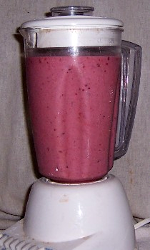 Easy Fruit SmoothieFresh fruit - strawberries, pineapple, banana - half fresh and half frozen - add juice - - Add whey protein(gluten-free!) for more punch
GLUTEN FREE DIET
I maintain a strict gluten and dairy free diet - most folks with Hep C or liver disorders (or really just about any disease) have problems or sensitivities to the proteins in these food sources. A great resource is called
"The Gluten File" Check out the page on "Liver Disease" for many studies and abstracts. One study is:
Celiac disease in patients with severe liver disease: gluten-free diet may reverse hepatic failure.
BACKGROUND & AIMS: Mild liver abnormalities are common in patients with celiac disease and usually resolve with a gluten-free diet. We investigated the occurrence of celiac disease in patients with severe liver failure.
METHODS: Four patients with untreated celiac disease and severe liver disease are described. Further, the occurrence of celiac disease was studied in 185 adults with previous liver transplantation using serum immunoglobulin A endomysial and tissue transglutaminase antibodies in screening.
RESULTS: Of the 4 patients with severe liver disease and celiac disease, 1 had congenital liver fibrosis, 1 had massive hepatic steatosis, and 2 had progressive hepatitis without apparent origin. Three were even remitted for consideration of liver transplantation. Hepatic dysfunction reversed in all cases when a gluten-free diet was adopted. In the transplantation group, 8 patients (4.3%) had celiac disease. Six cases were detected before the operation: 3 had primary biliary cirrhosis, 1 had autoimmune hepatitis, 1 had primary sclerosing cholangitis, and 1 had congenital liver fibrosis. Only 1 patient had maintained a long-term strict gluten-free diet. Screening found 2 cases of celiac disease, 1 with autoimmune hepatitis and 1 with secondary sclerosing cholangitis.
CONCLUSIONS: The possible presence of celiac disease should be investigated in patients with severe liver disease. Dietary treatment may prevent progression to hepatic failure, even in cases in which liver transplantation is considered.
PMID: 11910339 [PubMed - indexed for MEDLINE]
If you have undergone interferon treatment, chances are that it triggered gluten intolerance or full blown celiac disease:
Silent celiac disease in chronic hepatitis C: impact of interferon treatment on the disease onset and clinical outcome.
http://www.ncbi.nlm.nih.gov/pubmed/15492610
Unmasking of coeliac disease on interferon treatment for hepatitis c
A 45-year-old woman with chronic hepatitis C, contracted 25 years previously from intravenous drug use, was referred to our hepatitis C clinic by her general practitioner. She was noted to have persistently elevated serum transaminases, with alanine transaminase of 158 U/L (normal < 34) and aspartate aminotransferase of 92 U/L (normal < 31), but was clinically well. She had an albumin of 34 g/L (normal 36–48), bilirubin of 17 µmol/L (normal < 18) and International Normalized Ratio of 1.3. A normal sized liver but coarse echotexture with no mass lesions was noted on abdominal ultrasound. There were no signs of portal hypertension on examination or on ultrasound.
She had an upper gastrointestinal endoscopy done 4 years prior to investigate transient mild diarrhoea in which small bowel biopsies were taken. On histological examination, the villi appeared slightly short and broad, and there was some branching of crypts, but no characteristic degenerative or inflammatory changes of coeliac disease was seen.
As there were no contraindications to anti-viral therapy, she was commenced on pegylated interferon alpha (180 µg subcutaneously, weekly) and ribavirin (400 mg twice a day). She initially tolerated treatment well, but after 12 weeks developed abdominal pain and bloating, nausea, vomiting and watery diarrhoea. She was provided a course of oral metronidazole, which did not improve her symptoms. As it was felt that these symptoms were due to the interferon treatment, her interferon dose was gradually reduced to 90 µg/week, and she was provided with loperamide.
Despite this, her symptoms progressively worsened and by week 20 of treatment, she was noted to be anaemic with a haemoglobin level of 97 g/L (normal 115–165) and ferritin of 7 µg/L (normal 18–464). She was also folate deficient with a serum folate of 4.5 nmol/L (normal > 6.8) and had a bilirubin of 17 µmol/L and albumin of 30 g/L. As she had genotype 1 with evidence of cirrhosis and was managing treatment relatively well, we decided to continue antiviral treatment despite her symptoms to complete a 48-week course. She continued to have four to six episodes of watery diarrhoea a day and by completion of therapy, her weight had dropped from 67.2 to 57.8 kg. Of note there was no fever, no haematemesis, no melaena and no per rectum bleeding.
She was reviewed 12 weeks post treatment, when she was noted to have a negative hepatitis C RNA PCR, but her liver function tests remained abnormal with alanine transaminase of 51 U/L and aspartate aminotransferase of 81 U/L. As abdominal bloating, nausea, lethargy and diarrhoea were persistent, she had a repeat upper gastrointestinal endoscopy. Small bowel biopsies this time revealed striking total villous atrophy and marked crypt elongation with prominent epithelial lymphocytosis consistent with untreated coeliac disease. Her anti-gliadin and anti-endomysial IgA were also positive.
She was commenced on a gluten-free diet with resolution of both symptoms and liver function tests over 3 months. Further small bowel biopsies were taken 9 months after commencement of gluten-free diet showed preserved villous architecture with no significant acute inflammatory process. Repeat anti-gliadin and anti-endomysial antibodies at this time were also negative. Twelve months after completion of interferon and ribavirin treatment, she remains hepatitis C PCR negative.
Hepatitis C is associated with a myriad of autoimmune conditions including autoimmune thyroiditis1 and Sjogren's syndrome.2 More recently, coeliac disease as well as dermatitis herpetiformis have also been associated with hepatitis C.3 In addition, hepatitis C is associated with autoantibody production. Antinuclear antibodies, rheumatoid factor, anti-cardiolipin antibodies, smooth muscle antibodies, or anti-thyroid antibodies are detected in 40–65% of patients, but usually in low titre.4 Additionally, both coeliac disease and hepatitis C are common and so any coexistence may simply be a conjunction of two common conditions.
In this patient, the chronic hypertransaminaesemia was attributed to hepatitis C. However, the alanine aminotransferase remained high despite the clearance of hepatitis C, and did not normalize until a gluten-free diet was instituted. Thus occult coeliac disease may have been the cause. She probably had pre-existing subclinical coeliac disease, which only became symptomatic upon treatment with interferon. It has been noted that coeliac disease may be associated with nonspecific mild chronic elevation in serum aminotransferase levels in 40% of patients,13 and adherence to a gluten-free diet results in normalization of these abnormalities. Coeliac disease can cause progressive hepatitis and hepatic steatosis without apparent reason. Even if a patient has severe liver disease as a result of untreated coeliac disease, a gluten-free diet may reverse liver failure.14
We recommend that all patients be screened for coeliac disease prior to anti-viral treatment. The coeliac autoantibodies should be checked and if any suggestive symptoms are present or if antibodies are positive, upper gastrointestinal endoscopy with small bowel biopsies should be considered.
Weight loss and diarrhoea are common side effects of interferon therapy, but marked weight loss or excessive diarrhoea should prompt a search for coeliac disease, as the activation of silent coeliac disease during interferon treatment is common. Symptoms often subside after interferon withdrawal.
The investigation of chronic transaminitis should include coeliac serology as coeliac disease can cause liver disease.
http://onlinelibrary.wiley.com/doi/10.1111/j.1445-5994.2009.02087.x/full
The prevalence of celiac autoantibodies in hepatitis patients
Celiac disease has been associated with other autoimmune disorders such as autoimmune hepatitis, moreover it is known that T cell mediated immune response to dietary gluten and released cytokines are important for the entheropathy seen in celiac disease. We investigated celiac autoantibodies in patients with autoimmune hepatitis (AIH), and chronic hepatitis B (CHB).Sera from 84 patients with Autoimmune Hepatitis (AIH) type 1 and 88 patients with Chronic Hepatitis B (CHB) were tested for Immunoglobulin A and G antibodies to Gliadin, Immunoglobulin A antibodies to tissue transglutaminase using enzyme immunoassay, and Immunoglobulin A anti-endomysial antibodies by both indirect immunofluorescence, and enzyme immunoassay. The patients positive for anti-endomysial antibodies and/or anti tissue transglutaminase antibodies were considered for deuodenal biopsy. The study was approved by Research Center for Gastroenterology and Liver Disease Ethics Committee and all patients gave their written informed consent to participate.Immunoglobulin A anti-endomysial and Immunoglobulin A anti-gliadin antibodies were positive in two out of 84 patients with AIH. Moreover, Immunoglobulin A anti-gliadin antibodies were positive in another patient who was also positive for anti tissue transglutaminase antibodies. Tissue transglutaminase antibodies were positive in eight (9.1%) of 88 patients with CHB, two of which were also positive for anti-endomysial antibodies. One of the patients with CHB was only positive for anti-endomysial antibodies.
Compared with the general population, the prevalence of celiac autoantibodies in CHB and AIH patients is relatively high, and it is noteworthy that most positive patients were asymptomatic for celiac disease. We suggest screening for celiac disease before and during treatment in patients with viral and autoimmune hepatitis.
PMID: 20952805 [PubMed - in process]
http://www.ncbi.nlm.nih.gov/pubmed/20952805
I'll also reference George Henderson again here - he says it so well - thank you George!
Gluten and Casein as Factors responsible for the Characteristic Diseases of Chronic Hepatitis C
Not everyone exposed to HCV develops a chronic infection. The rate of natural clearance is unknown, because most people are not aware they are infected until the condition becomes chronic. One known factor in chronic infection with viral hepatitis (A&B) is selenium deficiency in malnourished populations. Celiac disease, the most easily diagnosed form of gluten toxicity, is known to cause selenium deficiency in well-fed populations. Celiac also causes a general deficiency of many antioxidants, protein, and minerals and vitamins. There is a strong association between HCV and celiac disease in many populations tested. There is an even stronger association between interferon-alpha treatment and celiac disease. Interferon-alpha is the cytokine that triggers celiac disease naturally.
Celiac disease is only the easiest to diagnose of the gluten sensitivity syndromes. It results in destruction of the intestinal cell vilii, damage which can be detected on biopsy.
Even so celiac is seriously underdiagnosed. It is likely that anyone in New Zealand with the symptoms of celiac disease, who is HCV positive, will be told that their symptoms are due to hepatitis C. Testing for Celiac will happen slowly and most likely not at all, unless the patient insists, and testing for other forms of gluten sensitivity is unlikely. Milder forms of gluten sensitivity might only disrupt those gut receptors responsible for functions such as immune regulation (especially endorphin receptors), mineral transport, or absorption of specific vitamins. Antibodies may form to the proline-rich gluten, gliadin and casein sequences released by peptide digestion which enter the bloodstream, which then attack the proline-rich collagenous tissues, promoting diseases such as liver fibrosis and rheumatoid arthritis.
It so happens that the auto-immune symptoms associated with celiac and gluten sensitivity diseases, including liver and gall-bladder disease, and which usually resolve slowly on a strict gluten and dairy-free diet, are essentially identical to the various syndromes seen in chronic Hep C, especially during or after interferon-alpha treatment.
Syndromes caused by gluten in celiac disease include:
- fibrosis and cirrhosis of the liver
- gall bladder obstruction
- insulin resistance
- thyroiditis
- sicca syndrome (dry eyes and mouth)
- vasculitis
- brain fog (poor memory, confusion)
- depression
- fibromyalgia
- fatigue
- optic neuritis
- deficiencies of selenium, magnesium, zinc, chromium
- deficiencies of fat-soluble vitamins (A, D, E, K)
- deficiency of those vitamins converted in the intestines (including folate, B6)
- anaemia
- thrombocytopenic purpurea (low platelets due to autoimmunity)
- GI disturbance; diarrhea, steatorrhea
These symptoms are aggravated by the nutrient deficiencies, especially antioxidant, magnesium, and chromium deficiencies, associated with gluten sensitivity. In fact, the symptoms of both Hep C and celiac disease are often partially, but significantly, relived by supplementation of these nutrients, especially when anti-inflammatory botanicals (curcumin, grape seed, ginkgo, milk thistle etc) are added. Other treatments effective against Hep C have obvious links to gluten sensitivity; for example, low dose naltrexone may exert its beneficial effects on cancer, autoimmune disease, and viral immunity by repairing damage done to endorphin receptors by gluten and casein digests. Similarly, enzyme therapy for cancers may work by promoting the complete digestion of gluten and casein exorphins, and the ketogenic diet for cancer may work by eliminating grains and lowering insulin levels (and hence inflammation), rather than merely by depriving cancer cells of glucose.
Exorphins are chemicals found in protein digests (the peptides produced by pepsin digestion of food proteins) which have an affinity for endorphin receptors. Endorphins are the messengers of emotion, and gluten sensitivity is very often found in schizophrenia, autism, ADHD, Aspergers, and the various mood disorders. However, the endorphin system also regulates the immune system, and defects of endorphins and endorphin receptors are associated with cancers and autoimmune disease, as well as AIDS. Endorphins also regulate gut motility; the well-known constipating effect of cheese is an opioid effect. Even people who have no gluten antibodies and no leaky gut (which allows gluten digests to enter the bloodstream in especially large doses) are influenced by the opioid effect of exorphins at the local, gut level.
Diagnosing non-celiac gluten and casein sensitivity without exclusion diets is difficult, if not impossible. Commonly in New Zealand a scratch test for gluten is the doctor’s first choice. This is worse than useless, because we are not talking about an allergy to gluten at all (though these do exist). When gluten, milk and maize are digested in the stomach (by pepsin and hydrochloric acid) a variety of peptides are released. The exact combination of peptides that might appear in the gut varies with the individual, the state of his digestion, and the strain of wheat, milk or maize consumed. Gliadomorphin is a characteristic wheat exorphin; beta-casomorphin-7 is thought to be the most toxic milk exorphin; and the maize exorphins have not yet been identified.
Autoimmune reaction to antigenic peptides is not the only way in which exorphins can harm us, so the current insistence on immunological testing seems limited. Also, current tests do not include antibodies to every possible peptide digest of gluten; this would probably be impossible.
Luckily, no-one needs to eat grains. Our ancestors got along in better health without them for millions of years. Grain consumption is a comparatively recent phenomenon in human history; very recent indeed in some cases; in Northern Europe and in colonized Oceania it is a habit of mere centuries, if that. In parts of the world where grain-eating goes back longest, for example the eastern Mediterranean, there is a higher rate of adaptation. This does not mean that individuals adapted to grains; individuals died young or became sterile if they lacked the more grain-adapted genes, in order that the race might adapt. But this still does not rule out the diseases of later life. Study of remains of grain-dependent societies, such as Rome and ancient Egypt, show that so-called “modern” diseases such as arthritis and cancer were prolific there. It is trendy to think that such disease results from technology; radiation, pesticides, food processing; and that it can be prevented with an organic vegetarian diet. The sad truth is that in most cases wheat and milk - even organic wheat and milk – products of the older agricultural revolution – are doing more harm than those traces of the modern industrial revolution that we cannot avoid. If our immune systems and our detox enzymes cannot cope with some new agricultural chemical, the most likely reason is the disruption they have received from the old agricultural chemicals – gluten and casein. It was also agriculture, not food processing, that first placed man in a guilty relationship with his food. Pre-agricultural man killed to eat and took from the forest, and had rituals that made peace with the animals and the plants. He took from these bounteous gods, not from captive creatures. Agricultural man kills for money, pays others to kill for him, and burns down the forest to plant his cash crops. If this was original sin, then the wages of sin have indeed been death.
It is customary to blame lead piping for the decline of Rome. The Roman people were highly wheat-addicted; they would riot for bread; “Bread and Circuses” was the formula for keeping them happy; they were so addicted that the state found it more convenient to supply bread for free (like a methadone clinic for the opiate of the people). Today the state oversees the addition of gluten, milk and maize to an ever-widening range of foods, so that a mere bread shortage is not likely to cause withdrawals. This is probably not intentional; addicts tend to assume that everyone wants to share their habit. In the case of Rome, wheat and lead may have had a synergistic toxicity. Both lead poisoning and wheat consumption tend to reduce iron and zinc absorption. This is why celiac children are often of short stature. The Romans would have become increasingly incapable of sensible planning and come to lack the stern old Roman self-control. We know that a decreasing birthrate of “true born” Romans eventually led to the conscription of barbarian armies and the opening up of Roman citizenship. Today gluten, and the antioxidant deficiency it causes, is a major cause of infertility.
Research has been done into the links between gluten sensitivity and Hep C, showing a strong association (especially after interferon therapy). There is also a strong association between Hep C and lymphoma (a cancer of the lymph glands). Lymphoma is the characteristic cancer caused by gluten; celiacs have a 30x elevated risk of lymphoma. To date no-one seems to have tested a strict gluten- and dairy-free diet for chronic Hep C or post-interferon toxicity, but a great many people with Hep C who take their health seriously have gone gluten free, often without knowing of the links between the two conditions, but motivated by their own well-being when avoiding gluten. There is no nutritional need that can only be met by grains; nuts and seeds, for example, supply the same amino acids, fats and vitamins in greater concentration (for example, sunflower and sesame seeds are superior sources of methionine and vitamin E), while legumes are rich in complex carbohydrates.
Gluten is also a cause of insulin resistance, and everyone who develops liver fibrosis has some degree of insulin resistance. Gluten itself causes a four-fold rise in insulin levels (unusual for a protein). The cure for insulin resistance is two-fold; a high-protein, low-carb diet (the Paleolithic diet is the most natural version of this diet) and replacement of the nutrients depleted by gluten which are essential for the function of insulin receptors; chromium, magnesium and the antioxidant minerals and vitamins.
Gluten also seems to cause amino acid deficiencies, including some of the very amino acids which wheat is supposed to supply, methionine and cysteine. Gluten is very much an anti-nutrient once one is sensitive to it.
Dangerous Grains by James Braly M.D. and Ron Hoggan M.A.
On milk, exorphins, and beta-casomorphin-7 (BCM7):
The Devil in the Milk by Keith Woodford
On endorphin receptors and AIDS:
Molecules of Emotion by Candace B. Pert
Read more: http://blogs.myspace.com/georgedhenderson#ixzz13Qu2vFF4
Tuesday, November 10, 2009
Dr. Berkson's 2009 Videos - Pancreatic Cancer, RA, Lupus, Lymphoma, more
Dr. Berkson was the keynote speaker at the recent Low Dose Naltrexone Conference held in Bethesda Md. at the NIH - National Institute of Health. There, he presented a 2 hour presentation detailing his successful treatments of various disorders, including pancreatic cancer, b-cell lymphoma, RA, Lupus, breast cancer, liver cancer and cirrhosis, among other diseases.
Newly published abstract about Dr. Berkon's use of ALA and LDN in treating 3 pancreatic cancer patients:
Revisiting the ALA/N (alpha-lipoic acid/low-dose naltrexone) protocol for people with metastatic and nonmetastatic pancreatic cancer: a report of 3 new cases.
Berkson BM, Rubin DM, Berkson AJ.
The Integrative Medical Center of New Mexico, Las Cruces, NM, USA.
The authors, in a previous article, described the long-term survival of a man with pancreatic cancer and metastases to the liver, treated with intravenous alpha-lipoic acid and oral low-dose naltrexone (ALA/N) without any adverse effects. He is alive and well 78 months after initial presentation. Three additional pancreatic cancer case studies are presented in this article. At the time of this writing, the first patient, GB, is alive and well 39 months after presenting with adenocarcinoma of the pancreas with metastases to the liver. The second patient, JK, who presented to the clinic with the same diagnosis was treated with the ALA/N protocol and after 5 months of therapy, PET scan demonstrated no evidence of disease. The third patient, RC, in addition to his pancreatic cancer with liver and retroperitoneal metastases, has a history of B-cell lymphoma and prostate adenocarcinoma. After 4 months of the ALA/N protocol his PET scan demonstrated no signs of cancer. In this article, the authors discuss the poly activity of ALA: as an agent that reduces oxidative stress, its ability to stabilize NF(k)B, its ability to stimulate pro-oxidant apoptosic activity, and its discriminative ability to discourage the proliferation of malignant cells. In addition, the ability of lowdose naltrexone to modulate an endogenous immune response is discussed. This is the second article published on the ALA/N protocol and the authors believe the protocol warrants clinical trial.
PMID: 20042414 [PubMed - in process]
UPDATE - May 2013 - OGF info in Pancreatic Cancer -
Newer info show that LDN itself might not be effective with PC as reported -
An explanation from Jayne Crocker -
For pancreatic cancer it is a methylation problem. I know there are some physicians who believe one way of getting around this is to give LDN to patients at night (to build up the OGF receptors) and then inject them with OGF in the day. Whether this is any more effective for pancreatic cancer than just taking OGF directly remains to be seen.
Everyone who has a chronic disease has HPA axis issues, so we are all likely to have reduced receptors. The HPA axis is skewed by the chronic sickness syndrome, which results in a weakened immune response (<10 a="" advanced="" ago="" all="" also="" amp="" and="" but="" cancer="" carcinoma="" cell="" characteristic="" chronic="" defect="" degrades="" discovered="" dr="" endorphin="" f="" has="" head="" i="" important="" in="" is="" it="" know="" loss="" mclaughlin="" nbsp="" neck="" normal="" not="" number="" of="" ogf="" posted="" rather="" receptor.="" receptor="" receptors="" remember="" s="" sickness="" specifically="" squamous="" stages="" study="" that="" the="" too="" we="" while="" work="" you="">
This is why LDN is so important in the sense that it builds up the receptors which is what increases the production of endorphins really. There are many cells in the body that produce endorphins, even T cells produce endorphins heavily during an inflammation. So if LDN drives up the OGF receptors, then it reverses one of the HPA axis problems when skewed. Adrenal Fatigue is one possible symptom when the HPA axis gets skewed.
If you are in a position to consider taking OGF directly (rather than count on LDN’s rebound effect to gain from this), I would strongly recommend trying this. Unfortunately it costs about $1,000/month so I’m not sure if this is a possibility.
OGF is Opioid Growth Factor which is the good endorphin that we all count on to benefit from taking LDN. However if there is no OGF receptor present, LDN will not be an effective treatment. If you bypass LDN, and go straight to taking OGF, this may help.
The reason LDN struggles with being effective for those with pancreatic cancer, is because the pancreas when diagnosed with cancer is unable to metabolize LDN. The problem is, when the body tries to make OGF in the pancreas, it can’t. When taking OGF directly, this works because your body doesn’t need to make it, ie metabolize it, it’s already a finished product. This effect is not possible by just taking LDN. So by taking OGF you are bypassing the problem. Please see the below email from Dr Zagon:
About 20 years ago we did an experiment with LDN and OGF as to pancreatic cancer. Amazingly to us, LDN had no effect and OGF was terrific. This was the first time we had ever seen that LDN did not work.
Well, it turns out later that while investigating pancreatic cancer, a number of researchers (not us) found that the body has a methylation of OGF precursors - called preproenkephalin. Methylation of preproenkephalin does not allow the full division of the larger preproenkephalin molecule into smaller peptides such as met-enkephalin (OGF). The bottom line is that pancreatic cancer cells do not have access to making OGF. So, if LDN works by increasing OGF (and its receptor OGFr) which can come together when LDN is no longer present - and this would normally have a super reaction by inhibiting cell proliferation, then in pancreatic cancer LDN is not going to work. It cannot upregulate - increase- OGF. As OGF is not present.
Should you wish to learn more about OGF, check out the LDNScience website http://www.ldnscience.org/opioid-growth-factor-ogf/how-does-ogf-work
But note the word methylation - perhaps Dr. Berkson's success with PC was due to the use of IV Lipoic Acid, along with other supplements - his protocol does increase methylation.
PubMed abstract on OGF and PC:
Smith JP, Bingaman SI, Mauger DT, Harvey HH, Demers LM, Zagon IS.
Department of Medicine, Pennsylvania State University, College of Medicine, Hershey Medical Center, Hershey, PA, USA.
BACKGROUND:
Advanced pancreatic cancer carries the poorest prognosis of all gastrointestinal malignancies. Once the tumor has spread beyond the margins of the pancreas, chemotherapy is the major treatment modality offered to patients; however, chemotherapy does not significantly improve survival.
OBJECTIVE:
Opioid growth factor (OGF; [Met(5)]-enkephalin) is a natural peptide that has been shown to inhibit growth of pancreatic cancer in cell culture and in nude mice. The purpose of this study was to evaluate the effects of OGF biotherapy on subjects with advanced pancreatic cancer who failed chemotherapy.
METHODS:
In a prospective phase II open-labeled clinical trial, 24 subjects who failed standard chemotherapy for advanced pancreatic cancer were treated weekly with OGF 250 µg/kg intravenously. Outcomes measured included clinical benefit, tumor response by radiographic imaging, quality of life, and survival.
RESULTS:
Clinical benefit response was experienced by 53% of OGF-treated patients compared to historical controls of 23.8% and 4.8% for gemcitabine and 5-fluorouracil (5-FU), respectively. Of the subjects surviving more than eight weeks, 62% showed either a decrease or stabilization in tumor size by computed tomography. The median survival time for OGF-treated patients was three times that of untreated patients (65.5 versus 21 days, p < 0.001). No adverse effects on hematologic or chemistry parameters were noted, and quality of life surveys suggested improvement with OGF.
LIMITATIONS:
Measurements other than survival were not allowed in control patients, and clinical benefit comparisons were made to historical controls.
CONCLUSION:
OGF biotherapy improves the clinical benefit and prolongs survival in patients with pancreatic cancer by stabilizing disease or slowing progression. The effects of OGF did not adversely alter patient quality of life. The use of OGF biotherapy at earlier stages of disease or in combination with other chemotherapeutic agents may further improve the outcome of this malignancy.
PMCID: PMC2947031 Free PMC Article
PMID: 20890374 [PubMed]
Even though I have provided these links in an older post, "Dr. Berkson & LDN" , these videos have just been made available and contain crucial information that might save countless numbers of people. His successful treatment of a patient with pancreatic cancer will be published in December, along with 2 other cases.
Introductory remarks - ALA - Hepatitis C
1) http://www.youtube.com/watch?v=WHyUfHqR4PA
Pet Scans - Treatment Protocol - ALA Explanation - Pancreatic Cancer with Mets to Liver (case to be published in December)
2) http://www.youtube.com/watch?v=xy65UGsVMac
Pancreatic Cancer with Mets to Liver - Hepatitis C with Liver Cancer -
3) http://www.youtube.com/watch?v=dRf8Xuqhb5Q
RA with Lymphoma from Humira - B Cell Lymphoma - Breast Cancer - Rheumatoid Disorders - Dermatomyositis -
4) http://www.youtube.com/watch?v=RXz3VIuyHHk
RA - SLE (Lupus) -
5) http://www.youtube.com/watch?v=nttilGKpJvU
ALA and purity; Asian products vs European - ALA discussion - Epstein-Barr Virus -
6) Dr Berkson Q & A Part One
http://www.youtube.com/watch?v=RsBN78Cl1s4
Lab Tests - Dosing of LDN and ALA - R Form Lipoic Acid - B Complex -
7) Dr Berkson Q & A Part Two:
http://www.youtube.com/watch?v=c29DAE4MGmo
Pancreatic Cancer & Thoughts on Treatment - ALA Gene Expression - Misc.
8) Dr. Berkson Q & A Part Three:
http://www.youtube.com/watch?v=nYxzDuKAdfI
http://www.drberkson.com/
Newly published abstract about Dr. Berkon's use of ALA and LDN in treating 3 pancreatic cancer patients:
Revisiting the ALA/N (alpha-lipoic acid/low-dose naltrexone) protocol for people with metastatic and nonmetastatic pancreatic cancer: a report of 3 new cases.
Berkson BM, Rubin DM, Berkson AJ.
The Integrative Medical Center of New Mexico, Las Cruces, NM, USA.
The authors, in a previous article, described the long-term survival of a man with pancreatic cancer and metastases to the liver, treated with intravenous alpha-lipoic acid and oral low-dose naltrexone (ALA/N) without any adverse effects. He is alive and well 78 months after initial presentation. Three additional pancreatic cancer case studies are presented in this article. At the time of this writing, the first patient, GB, is alive and well 39 months after presenting with adenocarcinoma of the pancreas with metastases to the liver. The second patient, JK, who presented to the clinic with the same diagnosis was treated with the ALA/N protocol and after 5 months of therapy, PET scan demonstrated no evidence of disease. The third patient, RC, in addition to his pancreatic cancer with liver and retroperitoneal metastases, has a history of B-cell lymphoma and prostate adenocarcinoma. After 4 months of the ALA/N protocol his PET scan demonstrated no signs of cancer. In this article, the authors discuss the poly activity of ALA: as an agent that reduces oxidative stress, its ability to stabilize NF(k)B, its ability to stimulate pro-oxidant apoptosic activity, and its discriminative ability to discourage the proliferation of malignant cells. In addition, the ability of lowdose naltrexone to modulate an endogenous immune response is discussed. This is the second article published on the ALA/N protocol and the authors believe the protocol warrants clinical trial.
PMID: 20042414 [PubMed - in process]
UPDATE - May 2013 - OGF info in Pancreatic Cancer -
Newer info show that LDN itself might not be effective with PC as reported -
An explanation from Jayne Crocker -
For pancreatic cancer it is a methylation problem. I know there are some physicians who believe one way of getting around this is to give LDN to patients at night (to build up the OGF receptors) and then inject them with OGF in the day. Whether this is any more effective for pancreatic cancer than just taking OGF directly remains to be seen.
Everyone who has a chronic disease has HPA axis issues, so we are all likely to have reduced receptors. The HPA axis is skewed by the chronic sickness syndrome, which results in a weakened immune response (<10 a="" advanced="" ago="" all="" also="" amp="" and="" but="" cancer="" carcinoma="" cell="" characteristic="" chronic="" defect="" degrades="" discovered="" dr="" endorphin="" f="" has="" head="" i="" important="" in="" is="" it="" know="" loss="" mclaughlin="" nbsp="" neck="" normal="" not="" number="" of="" ogf="" posted="" rather="" receptor.="" receptor="" receptors="" remember="" s="" sickness="" specifically="" squamous="" stages="" study="" that="" the="" too="" we="" while="" work="" you="">
This is why LDN is so important in the sense that it builds up the receptors which is what increases the production of endorphins really. There are many cells in the body that produce endorphins, even T cells produce endorphins heavily during an inflammation. So if LDN drives up the OGF receptors, then it reverses one of the HPA axis problems when skewed. Adrenal Fatigue is one possible symptom when the HPA axis gets skewed.
If you are in a position to consider taking OGF directly (rather than count on LDN’s rebound effect to gain from this), I would strongly recommend trying this. Unfortunately it costs about $1,000/month so I’m not sure if this is a possibility.
OGF is Opioid Growth Factor which is the good endorphin that we all count on to benefit from taking LDN. However if there is no OGF receptor present, LDN will not be an effective treatment. If you bypass LDN, and go straight to taking OGF, this may help.
The reason LDN struggles with being effective for those with pancreatic cancer, is because the pancreas when diagnosed with cancer is unable to metabolize LDN. The problem is, when the body tries to make OGF in the pancreas, it can’t. When taking OGF directly, this works because your body doesn’t need to make it, ie metabolize it, it’s already a finished product. This effect is not possible by just taking LDN. So by taking OGF you are bypassing the problem. Please see the below email from Dr Zagon:
About 20 years ago we did an experiment with LDN and OGF as to pancreatic cancer. Amazingly to us, LDN had no effect and OGF was terrific. This was the first time we had ever seen that LDN did not work.
Well, it turns out later that while investigating pancreatic cancer, a number of researchers (not us) found that the body has a methylation of OGF precursors - called preproenkephalin. Methylation of preproenkephalin does not allow the full division of the larger preproenkephalin molecule into smaller peptides such as met-enkephalin (OGF). The bottom line is that pancreatic cancer cells do not have access to making OGF. So, if LDN works by increasing OGF (and its receptor OGFr) which can come together when LDN is no longer present - and this would normally have a super reaction by inhibiting cell proliferation, then in pancreatic cancer LDN is not going to work. It cannot upregulate - increase- OGF. As OGF is not present.
Should you wish to learn more about OGF, check out the LDNScience website http://www.ldnscience.org/opioid-growth-factor-ogf/how-does-ogf-work
But note the word methylation - perhaps Dr. Berkson's success with PC was due to the use of IV Lipoic Acid, along with other supplements - his protocol does increase methylation.
PubMed abstract on OGF and PC:
Opioid growth factor improves clinical benefit and survival in patients with advanced pancreatic cancer.
Smith JP, Bingaman SI, Mauger DT, Harvey HH, Demers LM, Zagon IS.
Department of Medicine, Pennsylvania State University, College of Medicine, Hershey Medical Center, Hershey, PA, USA.
BACKGROUND:
Advanced pancreatic cancer carries the poorest prognosis of all gastrointestinal malignancies. Once the tumor has spread beyond the margins of the pancreas, chemotherapy is the major treatment modality offered to patients; however, chemotherapy does not significantly improve survival.
OBJECTIVE:
Opioid growth factor (OGF; [Met(5)]-enkephalin) is a natural peptide that has been shown to inhibit growth of pancreatic cancer in cell culture and in nude mice. The purpose of this study was to evaluate the effects of OGF biotherapy on subjects with advanced pancreatic cancer who failed chemotherapy.
METHODS:
In a prospective phase II open-labeled clinical trial, 24 subjects who failed standard chemotherapy for advanced pancreatic cancer were treated weekly with OGF 250 µg/kg intravenously. Outcomes measured included clinical benefit, tumor response by radiographic imaging, quality of life, and survival.
RESULTS:
Clinical benefit response was experienced by 53% of OGF-treated patients compared to historical controls of 23.8% and 4.8% for gemcitabine and 5-fluorouracil (5-FU), respectively. Of the subjects surviving more than eight weeks, 62% showed either a decrease or stabilization in tumor size by computed tomography. The median survival time for OGF-treated patients was three times that of untreated patients (65.5 versus 21 days, p < 0.001). No adverse effects on hematologic or chemistry parameters were noted, and quality of life surveys suggested improvement with OGF.
LIMITATIONS:
Measurements other than survival were not allowed in control patients, and clinical benefit comparisons were made to historical controls.
CONCLUSION:
OGF biotherapy improves the clinical benefit and prolongs survival in patients with pancreatic cancer by stabilizing disease or slowing progression. The effects of OGF did not adversely alter patient quality of life. The use of OGF biotherapy at earlier stages of disease or in combination with other chemotherapeutic agents may further improve the outcome of this malignancy.
PMCID: PMC2947031 Free PMC Article
PMID: 20890374 [PubMed]
Even though I have provided these links in an older post, "Dr. Berkson & LDN" , these videos have just been made available and contain crucial information that might save countless numbers of people. His successful treatment of a patient with pancreatic cancer will be published in December, along with 2 other cases.
Introductory remarks - ALA - Hepatitis C
1) http://www.youtube.com/watch?v=WHyUfHqR4PA
Pet Scans - Treatment Protocol - ALA Explanation - Pancreatic Cancer with Mets to Liver (case to be published in December)
2) http://www.youtube.com/watch?v=xy65UGsVMac
Pancreatic Cancer with Mets to Liver - Hepatitis C with Liver Cancer -
3) http://www.youtube.com/watch?v=dRf8Xuqhb5Q
RA with Lymphoma from Humira - B Cell Lymphoma - Breast Cancer - Rheumatoid Disorders - Dermatomyositis -
4) http://www.youtube.com/watch?v=RXz3VIuyHHk
RA - SLE (Lupus) -
5) http://www.youtube.com/watch?v=nttilGKpJvU
ALA and purity; Asian products vs European - ALA discussion - Epstein-Barr Virus -
6) Dr Berkson Q & A Part One
http://www.youtube.com/watch?v=RsBN78Cl1s4
Lab Tests - Dosing of LDN and ALA - R Form Lipoic Acid - B Complex -
7) Dr Berkson Q & A Part Two:
http://www.youtube.com/watch?v=c29DAE4MGmo
Pancreatic Cancer & Thoughts on Treatment - ALA Gene Expression - Misc.
8) Dr. Berkson Q & A Part Three:
http://www.youtube.com/watch?v=nYxzDuKAdfI
http://www.drberkson.com/
Monday, November 2, 2009
Low Dose Naltrexone for Hepatitis C Lab Results

I had new labs done last month and they were even better than the first ones! My viral load dropped down to 18,700! In January, it was over a million - it had dropped down to 49,000 in May and keeps dropping! How low can it go? I hope to 0!!!!!
I feel pretty good now too. Much more energy. The Low Dose Naltrexone is really doing a number on my Hepatitis C virus. I had started at 3 mg. a night but now take it every other night and it still seems to be working......for me, it seems that less is more with the LDN.
I belong to a Yahoo support group called:
I feel pretty good now too. Much more energy. The Low Dose Naltrexone is really doing a number on my Hepatitis C virus. I had started at 3 mg. a night but now take it every other night and it still seems to be working......for me, it seems that less is more with the LDN.
I belong to a Yahoo support group called:

Despite it's name, there are a great many adults who have various forms of Hepatitis. C, B or autoimmune. Many of the members are also using LDN for their conditions and all are having great results.
If you are considering using the combo treatment of interferon and ribavirin to treat your Hepatitis C, or have tried it and failed treatment or had to stop because of the side effects, please consider using Low Dose Naltrexone instead. Other than initial sleep disturbances, there are very few, if any, side effects. It is very inexpensive as well. My 3 month supply costs about $50.00 and I get it from Skip's Pharmacy through the mail. Their site is here:
Skip's Pharmacy
On another note, my fibromyalgia, IBD, and chemical sensitivities are much, much better as well. The combination of a gluten/dairy free diet and the LDN has made all the difference in the world.
Sunday, June 28, 2009
Dr. Burt Berkson and Low Dose Naltrexone
2015 UPDATE
It was 6 years ago this month that I saw Dr. Berkson and began my journey using Low Dose Naltrexone to treat Hepatitis C. I just had new labs done including a Fibrosure test as my new Gastro is trying to get all of his patients on Harvoni. Some of those results are here along with a much overdo update on Nola Hepper. Will be adding more labs as I get them soon.
2015 Update - Fibrosure Test
2013 UPDATE
This post was written almost 4 years ago in 2009 after I had gotten back my first labs since seeing Dr. Berkson. Hard to believe that it's been 4 years - but 4 years of normal liver enzymes and very low viral load (11,500-36,500) Latest labs:2013 Labs
And some of the below has probably changed over the years. I have received so many messages from folks who went to see Dr. Berkson - one couple met in his office and ended up getting married. I would love to see him again and might some day. Meanwhile, if I ever want to do it, my own integrative doctor offers IV ALA treatments.
Dr. Burt Berkson and Low Dose Naltrexone
When I first started this blog, it was to detail my life in New Orleans with Hepatitis C and my daily struggles in post-Katrina New Orleans. However, after having such wonderful results with Low Dose Naltrexone after visiting Dr. Berkson in his clinic in New Mexico, it has become more about promoting LDN than anything else.
My own integrative doctor told me about Dr. Berkson and his work with Hepatitis C and Alpha-Lipoic-Acid in 2007 but I had heard of him before. A few of of the online health groups had posts about him. He was the United States FDA principal Investigator intravenous Alpha Lipoic Acid for 23 years and also (and still is!) a CDC expert, intravenous Alpha Lipoic Acid and hepatotoxic poisoning, Centers for Disease Control and Prevention, 1990-present.
I began taking his regimen of ALA, milk thistle and selenium in his recommended dosage - my liver function tests did improve overall but the inflammation and fatty liver continued. Dr. Berkson prefers the use of European sourced Lipoic acid, where it is available by prescription - Metabolic Maintainence - and Bio-Tech.
I was taking 300mg 2x daily along WITH a B complex 100 with every dose. Sometimes I would take 3 a day. You can probably shop around and find them less expensive - sometimes amazon.com is a good place to go.
However, my own integrative doc recently insisted that I switch over to the Jarrow Sustain brand of ALA - I fought her tooth and nail over this! How could I argue with Dr. B? But I had very good lab results, including my AFP, which was the lowest it had been in years!
I called his clinic and was told to fax them a few medical test results - a PT (Prothrombin time - which tells how long it takes your blood to clot), platelet count, LFT'S (liver function tests) and I believe, HCV viral load test - I can't really remember exactly. I ended up sending a lot of stuff - to the point that it cost me 27.00 at Office Max to do so - I don't have a fax machine.. The woman on the phone was very nice, though a bit rushed, and she took down other information.
They called me back the next day and set up an appointment several months away, but later in the day, they called me back and said that Dr. Berkson had reviewed my lab work. Could I come in two weeks? Well, this unnerved me because I thought that he had seen something really horrible in my labs. But, it turned out that they had a cancellation and were just trying to fill it. I couldn't make it on such short notice, so they made another appointment for six weeks later - which was fine for me and months earlier than what they had originally told me. I've since heard that this is common with Dr. Berkson's office so don't get discouraged it they tell you that it will be six months before you can get in - if they have a cancellation, they will try and get you in earlier.
I flew into El Paso, Tx. on a Saturday in mid-February, 2009 as my appointment with the doctor was on a Monday and the place that I was staying at's office was closed on Sunday - I didn't want to rush it by flying in Monday morning. From there, I drove the 40 miles to Las Cruces, New Mexico. I had booked a room at Value Place as they offered kitchenettes. - plus it was fairly cheap compared to staying at a regular hotel - about $225.00 for the week. With my gluten/dairy free diet, I needed a place where I could prepare my own meals and save money. The motel offered for sale a cooking set, but I bought what I needed from a nearby Big Lots.
for more on supplements and nutrition
He wrote me a prescription for 3.0 mg. of Low Dose Naltrexone, as well as a prescription for valium as he said that the LDN usually caused initial sleep disturbances. Our time seemed very short, although it was close to an hour appointment, but I wanted to ask more questions - he told me that we would meet again later on in the week. I might add that I had originally planned on a two week visit instead of the one week that I ended up staying due to one of my beloved cats going into renal failure right before I left town.
I was whisked immediately into the "treatment room" - a small comfortable room that probably had about 8 chairs with IV poles next to them. They asked me if I had eaten something as they insist that you do so prior to getting any ALA treatments. The nurse was very nice and matter of fact - she was great with her IV (btw - they use the "butterfly" set up's that was placed into my hand) - it took about 30 minutes and near the end, I was given a B-12 injection in my upper arm. I've since heard that they might have changed this over to a B Complex injection but I am not sure. At any rate, I felt fine and had no ill effects. Afterwards, I went to the front desk and checked out and was told the office schedule - they wanted me to come two times a day for IV's. I was also given directions to the Rexall drugs that provided the LDN and sleep aid prescription - I think that it was about $63.00 for a 90 day supply.

In the next week, I received 4 IV Alpha-Lipoic-Acid treatments and Vitamin B injections while I was receiving the IV treatment. The ALA uses up the B vitamins and it is important to take a good B complex while taking any ALA. The clinic also stressed that one must eat prior to getting the IV treatment, as the ALA can also lower blood sugar.

During the months that passed, I really didn't feel much better and thought that the LDN wasn't working. However, this was a period when I was so stressed out over my cat, Brooks, and his renal failure disease, that all I could concentrate on was his care, as well as caring for the other cats - taking Brooks to the vet every 2 days for sub-q fluids and almost losing him a couple of awful times. Fortuntately, Brooks finally allowed me to do the fluids on him myself and he stabilized after awhile. But the stress of his illness was having a toll on my well being.
Until..... I had my 4 month blood work results and doctor's appointment in early June and was floored by the results. My liver function tests were completely normal! My ALT/AST fell from 174/90 to 23/30 in 4 months - normal levels for the first time ever! And my viral load test went from over a million to 49,400! Amazing!
On a side note, check this out - back in 1986, a friend and I went to a road side garage sale and we bought a strange wall hanging for $1.00 - it "spoke to us":

It's still hanging on my wall - so when I got out to New Mexico, I saw nothing but red fire hydrants and took this picture:

Far out - maybe that poster wall hanging in 1986 was an omen of things to come - I just found it weird... ok, back to LDN and Dr. Berkson.......
I began to read more about LDN and joined several online LDN support groups, including "Hepatitis Children and Cam Alternatives", where several members were also using naltrexone to treat their various liver disorders. One member had treated her adopted daughter for Hepatitis B and eventually achieved sero-conversion - her liver enzymes also returned to normal and her viral level was undetectable.
Here is her story:
Treating Hepatitis B With Low Dose Naltrexone
Updated LDN May 2010 Labs
Updated Lab Results September 2010
More info about Low Dose Naltrexone:
LDN info
LDN Database
LDN SCIENCE
The Promise of Low Dose Naltrexone
From the recent 2009 Low Dose Naltrexone Conference where Dr. Berkson was the keynote speaker - he talks about ALA with LDN for treating Hepatitis C, Liver Cancer, Pancreatic Cancer, Lymphoma and many other disorders:
Introductory remarks - ALA - Hepatitis C
1) http://www.youtube.com/watch?v=WHyUfHqR4PA
2)Pet Scans - Treatment Protocol - ALA Explanation - Pancreatic Cancer with Mets to Liver (case to be published in December)
2) http://www.youtube.com/watch?v=xy65UGsVMac
Pancreatic Cancer with Mets to Liver - Hepatitis C with Liver Cancer -
3) http://www.youtube.com/watch?v=dRf8Xuqhb5Q
RA with Lymphoma from Humira - B Cell Lymphoma - Breast Cancer - Rheumatoid Disorders - Dermatomyositis -
4) http://www.youtube.com/watch?v=RXz3VIuyHHk
RA - SLE (Lupus) -
5) http://www.youtube.com/watch?v=nttilGKpJvU
ALA and purity; Asian products vs European - ALA discussion - Epstein-Barr Virus -
6) Dr Berkson Q & A Part One
http://www.youtube.com/watch?v=RsBN78Cl1s4
Lab Tests - Dosing of LDN and ALA - R Form Lipoic Acid - B Complex -
7) Dr Berkson Q & A Part Two:
http://www.youtube.com/watch?v=c29DAE4MGmo
Pancreatic Cancer & Thoughts on Treatment - ALA Gene Expression - Misc.
8) Dr. Berkson Q & A Part Three:
http://www.youtube.com/watch?v=nYxzDuKAdfI
Subscribe to:
Comments (Atom)