In March, 2009, I started taking Low Dose Naltrexone, or LDN to treat my Hepatitis C. It was initially prescribed to me by Dr. Burt Berkson at his clinic in Las Cruces, New Mexico, in 3 mg. capsules. Since that time, my own doctor writes my LDN refill prescriptions.
Within months, it brought down my viral load and normalized my liver enzymes. And on my most recent lab work (5/2010), my viral load is even lower.
Viral load at 11,300! In December, it was 34,524. September: 18,729. Pre-LDN Jan. 09 - 1,280,000
ALT: 25 December: 34 Sept. 36 Pre-LDN Jan. 09 - 174 (range: 6-40)
AST: 30 December: 31 Sept. 37 Pre-LDN Jan. 09 - 99 (range: 10-35)
My doctor uses Quest lab:
HCV RNA, PCR test result of 11,300 with a log of 4.05. It was the COBAS (R) Ampliprep/COBAS, TagMan (R) RNA Test Kit (Roche)
Will update complete labs soon! Vitamin D at 95 from 53 after taking 5,000-10,000 of NOW Vitamin D3.
Showing posts with label liver. Show all posts
Showing posts with label liver. Show all posts
Friday, May 7, 2010


Friday, February 19, 2010
Low Dose Naltrexone (LDN) and the Liver
note - this post title really should be "Naltrexone and the Liver" as the studies below all are based on full strength naltrexone and not LDN.
Low Dose Naltrexone, or LDN, is an FDA approved medication.
"Naltrexone itself was approved by the FDA in 1984 in a 50mg dose for the purpose of helping heroin or opium addicts, by blocking the effect of such drugs. By blocking opioid receptors, naltrexone also blocks the reception of the opioid hormones that our brain and adrenal glands produce: beta-endorphin and metenkephalin."
Although naltrexone itself is an FDA-approved drug, the varied uses of LDN still await application to the FDA after related scientific clinical trials. LDN (in the 3mg or 4.5mg dosage) has not yet been submitted for approval because the prospective clinical trials that are required for FDA approval need to be funded at the cost of many millions of dollars.
Naltrexone is a prescription drug, so your physician would have to give you a prescription after deciding that LDN appears appropriate for you.
http://www.lowdosenaltrexone.org/
Many doctors will not prescribe LDN, as they are not aware that it is FDA approved and that various clinical trials for various disorders have been done or are in progress. The other reason is because of the "Black Box Warning" for full strength Naltrexone due to adverse liver effects on obese patients using 300mg.
Full-dose naltrexone (50mg) carries a cautionary warning against its use in those with liver disease. This warning was placed because of adverse liver effects that were found in experiments involving 300mg daily. The 50mg dose does not apparently produce impairment of liver function nor, of course, do the much smaller 3mg and 4.5mg doses.
Further studies have shown that LDN is actually beneficial to the liver in low doses - however, most of the studies done used much higher doses of Low Dose Naltrexone.
Study of hepatotoxicity of naltrexone in the treatment of alcoholism.
Since a black box warning was issued by the Food and Drug Administration regarding the use of the opiate antagonist naltrexone (NTX), many clinicians have been concerned about current labeling of the potential hepatotoxicity risk of NTX in the treatment of opiate dependence and alcoholism. Despite many reports that demonstrated that the use of NTX did not cause elevation of liver enzymes, controversy concerning whether NTX is hepatotoxic continues. The current study monitored 74 alcoholic patients who received 25mg of NTX daily in the first week and then 50mg of NTX daily for the rest of the 12-week period. After the 12-week treatment, levels of the hepatic enzymes alanine aminotransferase (ALT) and aspartate aminotransferase (AST) did not show any elevation, except in one subject, and the results strongly support that NTX did not induce abnormalities in liver function tests or elevate the liver enzymes. Instead, a statistical significance of decreasing levels of ALT and AST in the liver was shown throughout the study. These findings provide further support that NTX is not hepatotoxic at the recommended daily dose and may be beneficial for patients with elevated liver enzymes.
PMID: 16839858 [PubMed - indexed for MEDLINE]
Effects of long-term treatment with naltrexone on hepatic enzyme activity.Mean plasma levels of hepatic enzymes did not show significant modification in the course of treatment with naltrexone.
PMID: 1686854 [PubMed - indexed for MEDLINE]
Naltrexone: report of lack of hepatotoxicity in acute viral hepatitis, with a review of the literature.
Many clinicians appear to be concerned about the potential hepatotoxicity of the opiate antagonist naltrexone (NTX) and this may be one reason why it is not used more widely in treating both heroin and alcohol abusers. Some much-quoted early studies noted abnormalities in liver function tests (LFTs) in very obese patients taking high doses, although there was no evidence of clinically significant liver dysfunction.
We describe a heroin abuser in whom clinical and laboratory manifestations of acute hepatitis B and C appeared a few days after the insertion of a subcutaneous naltrexone implant. A decision was made not to remove the implant but the hepatitis resolved completely and uneventfully well within the normal time-scale. A review of the literature indicates that even when given at much higher doses than are needed for treating heroin or alcohol abusers, there is no evidence that NTX causes clinically significant liver disease or exacerbates, even at high doses, serious pre-existing liver disease.
PMID: 15203443 [PubMed - indexed for MEDLINE]
Naltrexone protects against lipopolysaccharide/D-galactosamine-induced hepatitis in mice.
Results demonstrated that post-treatment with naltrexone (20 mg/kg, i.p.) significantly attenuated the deleterious liver function in mice treated with LPS/D-gal. It was also found that naltrexone significantly inhibited the elevation of plasma tumor necrosis factor-alpha (TNF-alpha) caused by LPS/D-gal. The overproduction of nitric oxide (NO) and superoxide anions induced by LPS/D-gal were also significantly reduced by naltrexone. Moreover, infiltration of neutrophils into the liver of mice 12 h after treatment with LPS/D-gal was also decreased by naltrexone. In conclusion, the beneficial effects of naltrexone on LPS/D-gal-induced hepatitis result from its inhibition of pro-inflammatory factors and antioxidant effects. Thus, naltrexone is of therapeutic potential for treating liver injury.
PMID: 19023176 [PubMed - indexed for MEDLINE
Lack of hepatotoxicity with naltrexone treatment.
In summary, chronic administration of naltrexone in doses up to 300 mg/day for periods up to 36 months does not significantly change hepatic function, as measured by SGOT and SGPT levels.
PMID: 7983232 [PubMed - indexed for MEDLINE]
Opioid receptor blockade reduces Fas-induced hepatitis in mice.
PMID: 15389866 [PubMed - indexed for MEDLINE]
Naltrexone, an opioid receptor antagonist, attenuates liver fibrosis in bile duct ligated rats.
CONCLUSIONS: This is the first study to demonstrate that administration of an opioid antagonist prevents the development of hepatic fibrosis in cirrhosis. Opioids can influence liver fibrogenesis directly via the effect on HSCs and regulation of the redox sensitive mechanisms in the liver.
PMID: 16543289 [PubMed - indexed for MEDLINE]
Opioid system blockade decreases collagenase activity and improves liver injury in a rat model of cholestasis.
CONCLUSION: Opioid receptor blockade improved the degree of liver injury in cholestasis, as assessed by plasma enzyme and liver MMP-2 activities. The beneficial effect of naltrexone may be due to its ability to increase liver SAM level and restore the SAM : SAH ratio.
PMID: 17295775 [PubMed - indexed for MEDLINE]
Effect of oral naltrexone on pruritus in cholestatic patients.
CONCLUSION: Naltrexone can be used in the treatment of pruritus in cholestatic patients and is a safe drug showing few, mild and self-limited complications.
PMID: 16534857 [PubMed - indexed for MEDLINE]
Opioid peptides and primary biliary cirrhosis.
Patients with liver disease have increased plasma concentrations of the endogenous opioid peptides methionine enkephalin and leucine enkephalin. As an initial investigation to determine whether opioid peptides contribute to any of the clinical manifestations of hepatic disease nalmefene, a specific opioid antagonist devoid of agonist activity, was given to 11 patients with cirrhosis. They all experienced a severe opioid withdrawal reaction on starting the drug. In the nine patients with primary biliary cirrhosis pruritus was greatly alleviated, fatigue seemed to improve, and plasma bilirubin concentration, which had been rising, showed a modest fall in all except one patient. These results indicate that blocking opioid receptors has an effect on some of the metabolic abnormalities of liver disease.
PMID: 3147046 [PubMed - indexed for MEDLINE]
Pharmacokinetics of long-acting naltrexone in subjects with mild to moderate hepatic impairment.
Long-acting naltrexone is an extended-release formulation developed with the goal of continuous naltrexone exposure for 1 month for the treatment of alcohol dependence. The influence of mild and moderate hepatic impairment on naltrexone pharmacokinetics following long-acting naltrexone 190-mg administration was assessed. Subjects with mild (Child-Pugh grade A) and moderate (Child-Pugh grade B) hepatic impairment (n = 6 per group) and matched control subjects (n = 13) were enrolled. Naltrexone and 6beta-naltrexol concentrations were determined over a period of 63 days following a single intramuscular dose. Naltrexone and 6beta-naltrexol concentrations were detected in all subjects through 28 days. Total exposure (AUC(0-infinity)) of naltrexone and 6beta-naltrexol was similar across all groups. The long apparent half-lives of naltrexone and 6beta-naltrexol (5-8 days) were attributed to the slow release of naltrexone (long-acting naltrexone exhibits absorption rate-limited elimination or "flip-flop" kinetics); elimination was not altered in subjects with hepatic impairment. Based on pharmacokinetic considerations, the dose of long-acting naltrexone does not need to be adjusted in patients with mild or moderate hepatic impairment.
PMID: 16239359 [PubMed - indexed for MEDLINE]
High-dose naltrexone and liver function safety.
Studies have found naltrexone useful in the treatment of diseases other than opiate addiction in which endogenous opioids presumably play a role, such as alcoholism and eating disorders. Some of these studies involve high doses (100-200 mg bid). Because investigational studies with high doses (300 mg/day) reported clinically significant increases in liver enzyme levels, the authors measured a spectrum of liver function parameters in response to high doses of naltrexone in a double-blind, crossover trial (100 mg bid) followed by an open-label period (200 mg bid). They observed no adverse clinical or laboratory changes in liver function in association with high-dose naltrexone therapy in eating disorders.
PMID: 9097868 [PubMed - indexed for MEDLINE]
Effect of liver cirrhosis on the systemic availability of naltrexone in humans.
CONCLUSIONS: Our data suggest the occurrence of important changes in the systemic availability of naltrexone and 6 beta-naltrexol in liver cirrhosis; such alterations are consistent with lesser reduction of naltrexone to 6 beta-naltrexol and appear to be related to the severity of liver disease. This must be considered when administering naltrexone in conditions of liver insufficiency.
PMID: 9314128 [PubMed - indexed for MEDLINE]
Hepatic safety of once-monthly injectable extended-release naltrexone administered to actively drinking alcoholics.
RESULTS: There were no significant differences in alanine aminotransferase, aspartate aminotransferase, or bilirubin levels between the study groups at study initiation or at subsequent assessments. Gamma-glutamyltransferase in the XR-NTX 380 mg group was lower compared with placebo at weeks 4, 8, 12, and 20. Both high (>3 times the upper limit of normal) liver chemistry tests (LCTs) and hepatic-related adverse events were infrequent in all study groups. In patients who were drinking heavily throughout the study, obese subjects, or those taking nonsteroidal anti-inflammatory drugs, there was no increase in frequency of high LCTs or hepatic-related adverse events in patients receiving XR-NTX (either dose) compared with placebo. CONCLUSION: Extended-release formulation of naltrexone does not appear to be hepatotoxic when taken at the recommended clinical doses in actively drinking alcohol-dependent patients.
PMID: 18241321 [PubMed - indexed for MEDLINE]
Changes in transaminases over the course of a 12-week, double-blind nalmefene trial in a 38-year-old female subject.
A gradual return to normal in ALT and AST, while treatment with nalmefene continued, does not support the role of nalmefene as an hepatotoxin. Relapse to drinking was excluded because of normal values for the gamma-glutamyltransferase, and verification of sobriety by self-report, significant other, and breathalyzer. A virology panel ruled out the presence of viral hepatitis. Dietary intake before the elevation in LFTs contained elements that have established association with hepatocellular changes. The routine prescription of serial LFTs in alcoholism pharmacotherapy trials may be expected to reveal clinically nonsignificant elevations that could potentially be related to exogenous factors, such as dietary composition and should not be reflexively attributed to medication under investigation and/or drinking.
PMID: 7847604 [PubMed - indexed for MEDLINE]
Effects of long-term treatment with naltrexone on hepatic enzyme activity.
The influence of naltrexone on liver function in heroin addicts was studied, with respect to the metabolizing function by using the antipyrine clearance and to cellular damage by monitoring plasma levels of hepatic enzymes. The clearance of antipyrine was not affected by naltrexone treatment, and, during the study period, the use and withdrawal of benzodiazepines and alcohol did not change this parameter; moreover, there was no relationship between changes in plasma hepatic enzymes and antipyrine half-life. Mean plasma levels of hepatic enzymes did not show significant modification in the course of treatment with naltrexone.
PMID: 1686854 [PubMed - indexed for MEDLINE]
Effects of acute administration of naltrexone on cardiovascular function, body temperature, body weight and serum concentrations of liver enzymes in autistic children.
The effects of acute, orally administered naltrexone (0.5, 1.0, 1.5 and 2.0 mg/kg), a potent opiate receptor antagonist, on auscultated heart rate, systolic blood pressure and axillary body temperature were investigated before and about 1 h postdrug in 5 autistic children (4-12 years of age). In addition, an electrocardiogram was recorded on each child before and about 3 h after placebo or 2.0 mg/kg of naltrexone. Finally, the serum concentrations of the liver enzymes glutamic-oxaloacetic transaminase (SGOT) and glutamic-pyruvic transaminase (SGPT) were measured 24 h following placebo or naltrexone administration. Naltrexone had no statistically significant effects on any of these measures in comparison with baseline or placebo levels. Thus, these data provide preliminary evidence for the safety of acute administration of naltrexone in children.
PMID: 2721334 [PubMed - indexed for MEDLINE]
Naltrexone hydrochloride (Trexan): a review of serum transaminase elevations at high dosage.
In summary, evidence is presented associating typically asymptomatic and reversible elevations of serum transaminase values with high daily dosages of naltrexone. Statistical significance was found only between placebo and the 300 mg dosage. Subjects aged 40 years and over were significantly more likely to develop this finding than younger subjects. All subjects with significant elevations of transaminase values in these studies took daily naltrexone dosages higher than recommended for opioid addiction. The daily dosage of naltrexone recommended for opioid addiction did not cause abnormalities of serum transaminase values in these studies.
PMID: 3092099 [PubMed - indexed for MEDLINE]
Opioid receptor blockade improves mesenteric responsiveness in biliary cirrhosis.
The maximum pressure response to phenylephrine was decreased significantly in cirrhosis while chronic naltrexone treatment completely improved it (P <>
PMID: 18465246 [PubMed - indexed for MEDLINE]
[Antipruritic therapy with the oral opioid receptor antagonist naltrexone. Open, non-placebo controlled administration in 133 patients]
CONCLUSIONS: The oral opiate antagonists may well be an effective, well-tolerated therapy for intractable pruritus in many diseases.
PMID: 15517116 [PubMed - indexed for MEDLINE]
Endogenous opioids modulate hepatocyte apoptosis in a rat model of chronic cholestasis: the role of oxidative stress.
CONCLUSION: Our findings demonstrate that the administration of opioid antagonist is protective against hepatic damage in a rat model of chronic cholestasis. We suggest that increased levels of endogenous opioids contribute to hepatocytes apoptosis in cholestasis, possibly through downregulation of liver anti-oxidant defense.
PMID: 17403194 [PubMed - indexed for MEDLINE]
Involvement of endogenous opioid peptides and nitric oxide in the blunted chronotropic and inotropic responses to beta-adrenergic stimulation in cirrhotic rats.
Concurrent administration of naltrexone and L-NAME also restored to normal the basal abnormalities and the blunted responses to isoproterenol in cirrhotic rats, and did not show any antagonistic effect. Based on these findings, both the endogenous opioid peptides and NO may be involved in the attenuated chronotropic and inotropic responses to beta-adrenergic stimulation in cirrhosis. It seems that the iNOS activity results in NO-induced hyporesponsiveness to beta-adrenergic stimulation in cirrhosis.
PMID: 16968416 [PubMed - indexed for MEDLINE]
Low Dose Naltrexone, or LDN, is an FDA approved medication.
"Naltrexone itself was approved by the FDA in 1984 in a 50mg dose for the purpose of helping heroin or opium addicts, by blocking the effect of such drugs. By blocking opioid receptors, naltrexone also blocks the reception of the opioid hormones that our brain and adrenal glands produce: beta-endorphin and metenkephalin."
Although naltrexone itself is an FDA-approved drug, the varied uses of LDN still await application to the FDA after related scientific clinical trials. LDN (in the 3mg or 4.5mg dosage) has not yet been submitted for approval because the prospective clinical trials that are required for FDA approval need to be funded at the cost of many millions of dollars.
Naltrexone is a prescription drug, so your physician would have to give you a prescription after deciding that LDN appears appropriate for you.
http://www.lowdosenaltrexone.org/
Many doctors will not prescribe LDN, as they are not aware that it is FDA approved and that various clinical trials for various disorders have been done or are in progress. The other reason is because of the "Black Box Warning" for full strength Naltrexone due to adverse liver effects on obese patients using 300mg.
Full-dose naltrexone (50mg) carries a cautionary warning against its use in those with liver disease. This warning was placed because of adverse liver effects that were found in experiments involving 300mg daily. The 50mg dose does not apparently produce impairment of liver function nor, of course, do the much smaller 3mg and 4.5mg doses.
Further studies have shown that LDN is actually beneficial to the liver in low doses - however, most of the studies done used much higher doses of Low Dose Naltrexone.
Study of hepatotoxicity of naltrexone in the treatment of alcoholism.
Since a black box warning was issued by the Food and Drug Administration regarding the use of the opiate antagonist naltrexone (NTX), many clinicians have been concerned about current labeling of the potential hepatotoxicity risk of NTX in the treatment of opiate dependence and alcoholism. Despite many reports that demonstrated that the use of NTX did not cause elevation of liver enzymes, controversy concerning whether NTX is hepatotoxic continues. The current study monitored 74 alcoholic patients who received 25mg of NTX daily in the first week and then 50mg of NTX daily for the rest of the 12-week period. After the 12-week treatment, levels of the hepatic enzymes alanine aminotransferase (ALT) and aspartate aminotransferase (AST) did not show any elevation, except in one subject, and the results strongly support that NTX did not induce abnormalities in liver function tests or elevate the liver enzymes. Instead, a statistical significance of decreasing levels of ALT and AST in the liver was shown throughout the study. These findings provide further support that NTX is not hepatotoxic at the recommended daily dose and may be beneficial for patients with elevated liver enzymes.
PMID: 16839858 [PubMed - indexed for MEDLINE]
Effects of long-term treatment with naltrexone on hepatic enzyme activity.Mean plasma levels of hepatic enzymes did not show significant modification in the course of treatment with naltrexone.
PMID: 1686854 [PubMed - indexed for MEDLINE]
Naltrexone: report of lack of hepatotoxicity in acute viral hepatitis, with a review of the literature.
Many clinicians appear to be concerned about the potential hepatotoxicity of the opiate antagonist naltrexone (NTX) and this may be one reason why it is not used more widely in treating both heroin and alcohol abusers. Some much-quoted early studies noted abnormalities in liver function tests (LFTs) in very obese patients taking high doses, although there was no evidence of clinically significant liver dysfunction.
We describe a heroin abuser in whom clinical and laboratory manifestations of acute hepatitis B and C appeared a few days after the insertion of a subcutaneous naltrexone implant. A decision was made not to remove the implant but the hepatitis resolved completely and uneventfully well within the normal time-scale. A review of the literature indicates that even when given at much higher doses than are needed for treating heroin or alcohol abusers, there is no evidence that NTX causes clinically significant liver disease or exacerbates, even at high doses, serious pre-existing liver disease.
PMID: 15203443 [PubMed - indexed for MEDLINE]
Naltrexone protects against lipopolysaccharide/D-galactosamine-induced hepatitis in mice.
Results demonstrated that post-treatment with naltrexone (20 mg/kg, i.p.) significantly attenuated the deleterious liver function in mice treated with LPS/D-gal. It was also found that naltrexone significantly inhibited the elevation of plasma tumor necrosis factor-alpha (TNF-alpha) caused by LPS/D-gal. The overproduction of nitric oxide (NO) and superoxide anions induced by LPS/D-gal were also significantly reduced by naltrexone. Moreover, infiltration of neutrophils into the liver of mice 12 h after treatment with LPS/D-gal was also decreased by naltrexone. In conclusion, the beneficial effects of naltrexone on LPS/D-gal-induced hepatitis result from its inhibition of pro-inflammatory factors and antioxidant effects. Thus, naltrexone is of therapeutic potential for treating liver injury.
PMID: 19023176 [PubMed - indexed for MEDLINE
Lack of hepatotoxicity with naltrexone treatment.
In summary, chronic administration of naltrexone in doses up to 300 mg/day for periods up to 36 months does not significantly change hepatic function, as measured by SGOT and SGPT levels.
PMID: 7983232 [PubMed - indexed for MEDLINE]
Opioid receptor blockade reduces Fas-induced hepatitis in mice.
PMID: 15389866 [PubMed - indexed for MEDLINE]
Naltrexone, an opioid receptor antagonist, attenuates liver fibrosis in bile duct ligated rats.
CONCLUSIONS: This is the first study to demonstrate that administration of an opioid antagonist prevents the development of hepatic fibrosis in cirrhosis. Opioids can influence liver fibrogenesis directly via the effect on HSCs and regulation of the redox sensitive mechanisms in the liver.
PMID: 16543289 [PubMed - indexed for MEDLINE]
Opioid system blockade decreases collagenase activity and improves liver injury in a rat model of cholestasis.
CONCLUSION: Opioid receptor blockade improved the degree of liver injury in cholestasis, as assessed by plasma enzyme and liver MMP-2 activities. The beneficial effect of naltrexone may be due to its ability to increase liver SAM level and restore the SAM : SAH ratio.
PMID: 17295775 [PubMed - indexed for MEDLINE]
Effect of oral naltrexone on pruritus in cholestatic patients.
CONCLUSION: Naltrexone can be used in the treatment of pruritus in cholestatic patients and is a safe drug showing few, mild and self-limited complications.
PMID: 16534857 [PubMed - indexed for MEDLINE]
Opioid peptides and primary biliary cirrhosis.
Patients with liver disease have increased plasma concentrations of the endogenous opioid peptides methionine enkephalin and leucine enkephalin. As an initial investigation to determine whether opioid peptides contribute to any of the clinical manifestations of hepatic disease nalmefene, a specific opioid antagonist devoid of agonist activity, was given to 11 patients with cirrhosis. They all experienced a severe opioid withdrawal reaction on starting the drug. In the nine patients with primary biliary cirrhosis pruritus was greatly alleviated, fatigue seemed to improve, and plasma bilirubin concentration, which had been rising, showed a modest fall in all except one patient. These results indicate that blocking opioid receptors has an effect on some of the metabolic abnormalities of liver disease.
PMID: 3147046 [PubMed - indexed for MEDLINE]
Pharmacokinetics of long-acting naltrexone in subjects with mild to moderate hepatic impairment.
Long-acting naltrexone is an extended-release formulation developed with the goal of continuous naltrexone exposure for 1 month for the treatment of alcohol dependence. The influence of mild and moderate hepatic impairment on naltrexone pharmacokinetics following long-acting naltrexone 190-mg administration was assessed. Subjects with mild (Child-Pugh grade A) and moderate (Child-Pugh grade B) hepatic impairment (n = 6 per group) and matched control subjects (n = 13) were enrolled. Naltrexone and 6beta-naltrexol concentrations were determined over a period of 63 days following a single intramuscular dose. Naltrexone and 6beta-naltrexol concentrations were detected in all subjects through 28 days. Total exposure (AUC(0-infinity)) of naltrexone and 6beta-naltrexol was similar across all groups. The long apparent half-lives of naltrexone and 6beta-naltrexol (5-8 days) were attributed to the slow release of naltrexone (long-acting naltrexone exhibits absorption rate-limited elimination or "flip-flop" kinetics); elimination was not altered in subjects with hepatic impairment. Based on pharmacokinetic considerations, the dose of long-acting naltrexone does not need to be adjusted in patients with mild or moderate hepatic impairment.
PMID: 16239359 [PubMed - indexed for MEDLINE]
High-dose naltrexone and liver function safety.
Studies have found naltrexone useful in the treatment of diseases other than opiate addiction in which endogenous opioids presumably play a role, such as alcoholism and eating disorders. Some of these studies involve high doses (100-200 mg bid). Because investigational studies with high doses (300 mg/day) reported clinically significant increases in liver enzyme levels, the authors measured a spectrum of liver function parameters in response to high doses of naltrexone in a double-blind, crossover trial (100 mg bid) followed by an open-label period (200 mg bid). They observed no adverse clinical or laboratory changes in liver function in association with high-dose naltrexone therapy in eating disorders.
PMID: 9097868 [PubMed - indexed for MEDLINE]
Effect of liver cirrhosis on the systemic availability of naltrexone in humans.
CONCLUSIONS: Our data suggest the occurrence of important changes in the systemic availability of naltrexone and 6 beta-naltrexol in liver cirrhosis; such alterations are consistent with lesser reduction of naltrexone to 6 beta-naltrexol and appear to be related to the severity of liver disease. This must be considered when administering naltrexone in conditions of liver insufficiency.
PMID: 9314128 [PubMed - indexed for MEDLINE]
Hepatic safety of once-monthly injectable extended-release naltrexone administered to actively drinking alcoholics.
RESULTS: There were no significant differences in alanine aminotransferase, aspartate aminotransferase, or bilirubin levels between the study groups at study initiation or at subsequent assessments. Gamma-glutamyltransferase in the XR-NTX 380 mg group was lower compared with placebo at weeks 4, 8, 12, and 20. Both high (>3 times the upper limit of normal) liver chemistry tests (LCTs) and hepatic-related adverse events were infrequent in all study groups. In patients who were drinking heavily throughout the study, obese subjects, or those taking nonsteroidal anti-inflammatory drugs, there was no increase in frequency of high LCTs or hepatic-related adverse events in patients receiving XR-NTX (either dose) compared with placebo. CONCLUSION: Extended-release formulation of naltrexone does not appear to be hepatotoxic when taken at the recommended clinical doses in actively drinking alcohol-dependent patients.
PMID: 18241321 [PubMed - indexed for MEDLINE]
Changes in transaminases over the course of a 12-week, double-blind nalmefene trial in a 38-year-old female subject.
A gradual return to normal in ALT and AST, while treatment with nalmefene continued, does not support the role of nalmefene as an hepatotoxin. Relapse to drinking was excluded because of normal values for the gamma-glutamyltransferase, and verification of sobriety by self-report, significant other, and breathalyzer. A virology panel ruled out the presence of viral hepatitis. Dietary intake before the elevation in LFTs contained elements that have established association with hepatocellular changes. The routine prescription of serial LFTs in alcoholism pharmacotherapy trials may be expected to reveal clinically nonsignificant elevations that could potentially be related to exogenous factors, such as dietary composition and should not be reflexively attributed to medication under investigation and/or drinking.
PMID: 7847604 [PubMed - indexed for MEDLINE]
Effects of long-term treatment with naltrexone on hepatic enzyme activity.
The influence of naltrexone on liver function in heroin addicts was studied, with respect to the metabolizing function by using the antipyrine clearance and to cellular damage by monitoring plasma levels of hepatic enzymes. The clearance of antipyrine was not affected by naltrexone treatment, and, during the study period, the use and withdrawal of benzodiazepines and alcohol did not change this parameter; moreover, there was no relationship between changes in plasma hepatic enzymes and antipyrine half-life. Mean plasma levels of hepatic enzymes did not show significant modification in the course of treatment with naltrexone.
PMID: 1686854 [PubMed - indexed for MEDLINE]
Effects of acute administration of naltrexone on cardiovascular function, body temperature, body weight and serum concentrations of liver enzymes in autistic children.
The effects of acute, orally administered naltrexone (0.5, 1.0, 1.5 and 2.0 mg/kg), a potent opiate receptor antagonist, on auscultated heart rate, systolic blood pressure and axillary body temperature were investigated before and about 1 h postdrug in 5 autistic children (4-12 years of age). In addition, an electrocardiogram was recorded on each child before and about 3 h after placebo or 2.0 mg/kg of naltrexone. Finally, the serum concentrations of the liver enzymes glutamic-oxaloacetic transaminase (SGOT) and glutamic-pyruvic transaminase (SGPT) were measured 24 h following placebo or naltrexone administration. Naltrexone had no statistically significant effects on any of these measures in comparison with baseline or placebo levels. Thus, these data provide preliminary evidence for the safety of acute administration of naltrexone in children.
PMID: 2721334 [PubMed - indexed for MEDLINE]
Naltrexone hydrochloride (Trexan): a review of serum transaminase elevations at high dosage.
In summary, evidence is presented associating typically asymptomatic and reversible elevations of serum transaminase values with high daily dosages of naltrexone. Statistical significance was found only between placebo and the 300 mg dosage. Subjects aged 40 years and over were significantly more likely to develop this finding than younger subjects. All subjects with significant elevations of transaminase values in these studies took daily naltrexone dosages higher than recommended for opioid addiction. The daily dosage of naltrexone recommended for opioid addiction did not cause abnormalities of serum transaminase values in these studies.
PMID: 3092099 [PubMed - indexed for MEDLINE]
Opioid receptor blockade improves mesenteric responsiveness in biliary cirrhosis.
The maximum pressure response to phenylephrine was decreased significantly in cirrhosis while chronic naltrexone treatment completely improved it (P <>
PMID: 18465246 [PubMed - indexed for MEDLINE]
[Antipruritic therapy with the oral opioid receptor antagonist naltrexone. Open, non-placebo controlled administration in 133 patients]
CONCLUSIONS: The oral opiate antagonists may well be an effective, well-tolerated therapy for intractable pruritus in many diseases.
PMID: 15517116 [PubMed - indexed for MEDLINE]
Endogenous opioids modulate hepatocyte apoptosis in a rat model of chronic cholestasis: the role of oxidative stress.
CONCLUSION: Our findings demonstrate that the administration of opioid antagonist is protective against hepatic damage in a rat model of chronic cholestasis. We suggest that increased levels of endogenous opioids contribute to hepatocytes apoptosis in cholestasis, possibly through downregulation of liver anti-oxidant defense.
PMID: 17403194 [PubMed - indexed for MEDLINE]
Involvement of endogenous opioid peptides and nitric oxide in the blunted chronotropic and inotropic responses to beta-adrenergic stimulation in cirrhotic rats.
Concurrent administration of naltrexone and L-NAME also restored to normal the basal abnormalities and the blunted responses to isoproterenol in cirrhotic rats, and did not show any antagonistic effect. Based on these findings, both the endogenous opioid peptides and NO may be involved in the attenuated chronotropic and inotropic responses to beta-adrenergic stimulation in cirrhosis. It seems that the iNOS activity results in NO-induced hyporesponsiveness to beta-adrenergic stimulation in cirrhosis.
PMID: 16968416 [PubMed - indexed for MEDLINE]
Monday, November 2, 2009
Low Dose Naltrexone for Hepatitis C Lab Results

I had new labs done last month and they were even better than the first ones! My viral load dropped down to 18,700! In January, it was over a million - it had dropped down to 49,000 in May and keeps dropping! How low can it go? I hope to 0!!!!!
I feel pretty good now too. Much more energy. The Low Dose Naltrexone is really doing a number on my Hepatitis C virus. I had started at 3 mg. a night but now take it every other night and it still seems to be working......for me, it seems that less is more with the LDN.
I belong to a Yahoo support group called:
I feel pretty good now too. Much more energy. The Low Dose Naltrexone is really doing a number on my Hepatitis C virus. I had started at 3 mg. a night but now take it every other night and it still seems to be working......for me, it seems that less is more with the LDN.
I belong to a Yahoo support group called:

Despite it's name, there are a great many adults who have various forms of Hepatitis. C, B or autoimmune. Many of the members are also using LDN for their conditions and all are having great results.
If you are considering using the combo treatment of interferon and ribavirin to treat your Hepatitis C, or have tried it and failed treatment or had to stop because of the side effects, please consider using Low Dose Naltrexone instead. Other than initial sleep disturbances, there are very few, if any, side effects. It is very inexpensive as well. My 3 month supply costs about $50.00 and I get it from Skip's Pharmacy through the mail. Their site is here:
Skip's Pharmacy
On another note, my fibromyalgia, IBD, and chemical sensitivities are much, much better as well. The combination of a gluten/dairy free diet and the LDN has made all the difference in the world.
Wednesday, June 4, 2008
Not Ready For Any Support Group


For many years, I have sought alternative or natural solutions to treat my Hepatitis C virus and have basically learned to "take charge of my health". and to question my doctors and whatever pharmaceuticals that they prescribe (or try to prescribe) to me.
I have refused the current interferon/ribavirin "treatment" for Hep-C for many reasons. The main reason is that it doesn't really work, particularly on my genotype (kind of strain) of 1b, and it is horrendously toxic and damaging to the immune system. I was fortunate that my biopsy done in 2003 showed only minor inflammation at Stage 1/Grade 1 and the virus has not really progressed - thankfully.
My initial information about hep-c (and most other disorders) came from the wonderful book, "Prescription for Nutritional Healing" - which I credit for saving my life. I had seen the book at Whole Foods Market sometime in the 90's and bought one at a garage sale around 1997-98. I learned about Milk Thistle and began taking it as I thought that it might provide my liver some kind of protection against my drinking - I had pretty much quit doing any kind of hard drugs by then, but I still loved my beer. At any rate, I found out that I had the virus in 2002 and my 2003 biopsy revealed (amazingly enough) little damage. What was also extremely amazing to me was that my liver was still functioning at all as I had several decades of extensive drug/alcohol use/abuse as well. And I mean serious, hard drugs too. I can only surmise that the milk thistle might have protected and repaired my liver enough to prevent anything worse.. But who knows? Matthew Dolan's great book, The Hepatitis Handbook is another great souce - I hope that he updates it someday.
I have refused the current interferon/ribavirin "treatment" for Hep-C for many reasons. The main reason is that it doesn't really work, particularly on my genotype (kind of strain) of 1b, and it is horrendously toxic and damaging to the immune system. I was fortunate that my biopsy done in 2003 showed only minor inflammation at Stage 1/Grade 1 and the virus has not really progressed - thankfully.
My initial information about hep-c (and most other disorders) came from the wonderful book, "Prescription for Nutritional Healing" - which I credit for saving my life. I had seen the book at Whole Foods Market sometime in the 90's and bought one at a garage sale around 1997-98. I learned about Milk Thistle and began taking it as I thought that it might provide my liver some kind of protection against my drinking - I had pretty much quit doing any kind of hard drugs by then, but I still loved my beer. At any rate, I found out that I had the virus in 2002 and my 2003 biopsy revealed (amazingly enough) little damage. What was also extremely amazing to me was that my liver was still functioning at all as I had several decades of extensive drug/alcohol use/abuse as well. And I mean serious, hard drugs too. I can only surmise that the milk thistle might have protected and repaired my liver enough to prevent anything worse.. But who knows? Matthew Dolan's great book, The Hepatitis Handbook is another great souce - I hope that he updates it someday.
I'm doing great with my own research and with the help of my great doctor, Dr. Kashi Rai. I will attempt to chronicle my battle with the Hep-C dragon, as well as my 7 herpes viruses, (HHV-1, HHV-2, Herpes Zoster, EBV (epstein barr), CMV, and the newly emerged HHV-6) as well as my gluten, dairy, nut, most seafood food intolerance. My favorite book about Celiac/Gluten intolerance is Dangerous Grains by James Braly and Ron Hoggan.
I share my life with 10 cats, now 9 since Brooks died in October.. ( of which 8 of them and I lived through the flood after the levee breaches following Hurricane Katrina) while I continue with the daily juggling act of surviving in post-Katrina New Orleans. Brooks had been battling end stage renal failure and I did the best that I could to help make his last bit of time, good time. 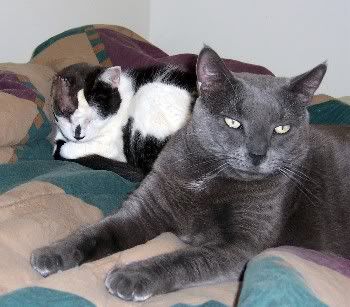
New Orleans is still recovering from Hurricane Katrina, or more accurately, the flooding caused by the breaches in the levees and floodwalls that were constructed by the Federal Government's U.S. Army Corps of Engineers. To learn why New Orleans flooded - and it was not due to a "natural disaster" but due to the "Worst Engineering Disaster in History" as cited by The American Society of Civil Engineers, check out Levees.org
I should know. My car broke down 2 days before Katrina - which was up until that Friday, still supposed to hit the panhandle of Florida. I had 8 cats and took care of dozens of feral cats in my neighborhood. I was broke and I refused to leave the cats behind.
The storm on Monday, August 29th, 2005, was pretty scary but afterwards, I was able to use my cell phone to call up friends to let them know that everything was ok. There were trees down and wind damage but really, not much rain at all. Then, the water started gradually coming up - and kept rising. Soon, I could hear dogs up and down the block barking and yelping until I didn't hear them anymore. My feral porch cat, Emerald, had ridden out the storm underneath the house, as did most of the feral cats in New Orleans - a city of raised homes. I heard her crying and I tried to get to her through the floor furnace - but when I got it opened , water gushed in........and I never heard or saw Emerald again.
The rest of the day and night are a blur to me now - my mind fractured off into the surreal - like watching a movie of someone else. I managed to climb up into a 7 foot high closet before passing out from shock, exhaustion and hyperthermia. But I woke several times during that long night and could hear my cats crying in terror.
The next morning, I woke and could hear what sounded like copters flying overhead. But all that I wanted to do was to lie there and never move again. One of the cats started crying pitifully from the front room and I opened my eyes to see her clinging to the curtains. This got me moving and out of the closet and down into the water that came up to my neck.

During the next hour, I was able to break out my back windows and swim 3 of the cats out to the carport roof - I could only find 2 carriers as they had sunk down somewhere on the floor in the murky water. The 5 others were placed up into the same closet that had given me refuge and another feral cat swam outside to cling onto the limbs of a tree.
I was rescued by a first responder in an airboat and taken to the railroad tracks nearby. Soon, the Missouri Coast Guard picked me and the 3 cats up and took us out to the Interstate. Eventually, a school bus took us, and other rescued folks and their pets to a shelter in Thibodaux, La. - about 40 miles west of New Orleans. I spent several days there in pretty primative conditions - no electricity, no phones, no email.
Family members were finally contacted and they came to get me 5 days later. It took another 2 days to get to where my Mom had evacuated to - in Birmingham, Alabama, where we had relatives. But throughout this ordeal, I was obsessed about the poor cats that I left up in that closet and I contacted every rescue group listed to try and get someone, anyone to go save them.
Finally, after getting no responses, I decided to go back to New Orleans to get them myself. Everyone told me that it would be impossible - the city was under lock down and no one was being allowed back in. Huh. Through an internet chat room, I met a man named Steve Vicknair who was in Houston, Texas. He had a boat and he wanted to help people like me rescue their pets.
And that is what we did. On September 11th, 2005 - two weeks! after Katrina, we got back to my still flooded apartment to find all cats still alive!!!! They had no food or water for all of that time - but they survived!!!!!
I stayed in Birmingham with my Mom (and the 8 cats) for 6 months until her health declined and she moved into an Assisted Living facility. Her house (and my inheritance) had taken in 11 feet of water and was very underinsured. She did have flood insurance as did most of the families in New Orleans - but the very minimum. We fought with Traveler's home owner's insurance for almost 2 years before they paid my Mom what she was owed. But the house could not be repaired.
I moved back to New Orleans in March of 2006 into an apartment in the Mid-City area - an area that had not gotten too much flooding compared to the 80% of the rest of the city. I got back involved with animal rescue, cats in particular...it was still a hairy time, with packs of dogs running wild in the streets and many, many starving animals. Things have somewhat improved but the animals of New Orleans still need so much help.
ARNO - Animal Rescue New Orleans - is still here. It is an all volunteer group that was formed shortly after Katrina - and has probably done the most out of all of the rescue groups:

The Katrina pictures that I managed to take when the water came up......and months later:
The Cat Rescue pics:
My health gradually deteriorated in those first years back - my health care had been provided at Charity Hospital for about 3 years before Katrina, but it had to close - and is still closed. However their clinics still remained open - an emergency one had been set up at the Lord & Taylor department store near the devastated Superdome - that was so strange to go there for medical treatment, when a year earlier I had shopped for shoes.....
I developed shingles, and a strong chemical sensitivity - possibly due to the stress and perhaps being in the water during and after Katrina. I was in constant pain from fibromyalgia and my IBD often prevented me from leaving the house.
Thankfully, I was able to get Social Security disability - 3 years in the making - it only provides $693.00 a month but I do get Medicare, which enabled me to find Dr. Rai - the doctor who led me to Dr. Berkson - who changed my life.
I could never live anywhere else - New Orleans is and forever will be - the center of the universe!

Subscribe to:
Posts (Atom)